Initiating a business is an exhilarating yet challenging venture that requires ample knowledge of various legal principles. In the United States, entrepreneurs must ensure that their ventures comply with the varying business laws; therefore, the activities of an entrepreneur will involve an intricate landscape of business regulations. The legal aspect influences every area of operation, right from the inception of a business up until the daily operations. In the USA, every entrepreneur ought to know the vital business laws. Once the entrepreneur understands the laws, he or she will be able to make better decisions and avoid risks while creating a firm foothold upon which the business stands to flourish.
The moment they fail to comply with the law, these legal obligations become a threat to the entrepreneur. Though startup hopefuls tend to undervalue how legally versed they must be, this increased vulnerability can be detrimental for less seasoned entrepreneurs. This is to say, once the excitement of starting a business kicks in, faced with such an elaborate legal web would make the aspiring ones do some deep soul-searching.
What Is Business Law?
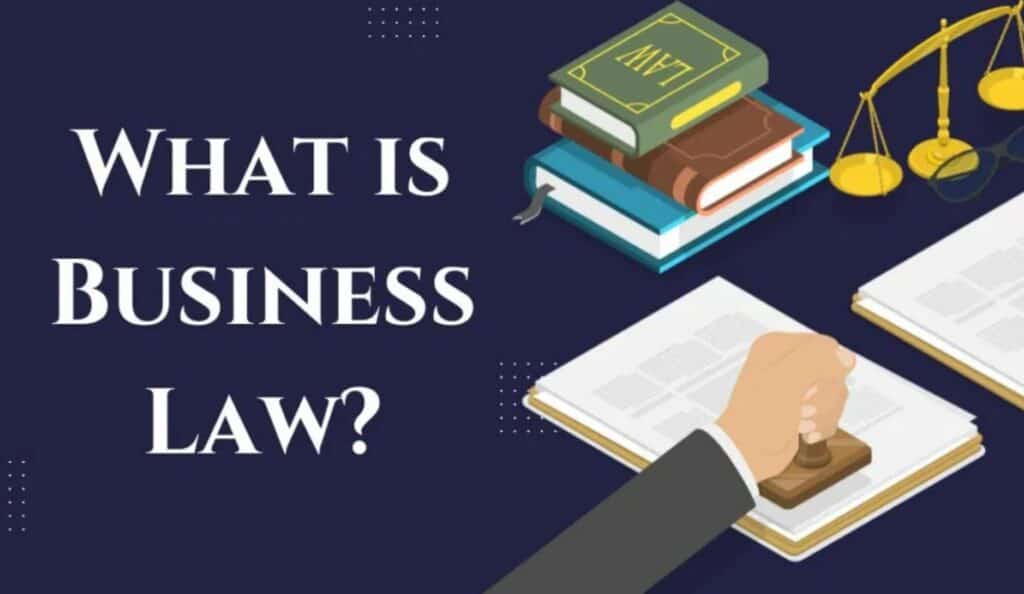
The study of business law revolves around the different stages of creating, executing, and directing commercial organizations or enterprises such as sole proprietorships. The topics include commercial concerns, corporate decisions, dealings and transactions, debts, employee rights, and the statutory method of compliance.
If an organization has to traverse the intricate waters of local, federal, and state regulations, professional business attorneys are indispensable. The topics under consideration in business law are contract law, property rights, corporate law, taxation, formation and dissolution of business entities, consumer protection, and environmental laws.
Companies are not the only ones affected by business law; some lone owners out there should know about them. Ensuring fairness in transactions, protecting individuals, creating standards for responsible behavior, and bolstering economic stability through a degree of legal assurance, are the objectives that want fulfillment through business law.
Importance of Business Law
One important factor of business law is that it controls corporate actions and smooth operations within organizations. Payment matters and corporate law are hence intertwined to allow for the legal planning of salaries and benefits. In so serious violations of payment regulations, businesses are put into serious problems. As a primary function of corporate law, some lawyers would assist in protecting shareholder interests by offering help in resolving disputes among minority shareholders. Business law sets out procedures for establishing a business by obtaining licenses and leases. A qualified attorney for business law can lead a company through legal processes and enable it to grow efficiently.
8 Types of Crucial Business Laws for Entrepreneurs
Intellectual property laws

Laws about intellectual property assist businesses in securing their intellectual information against unlawful usage. Such laws are extremely important to companies with breakthrough products or unique formulae, as these invoke a competitive advantage. With these laws, these companies can patent their inventions and register the names of their products as trademarks. It thus becomes illegal for anybody to copy or exploit such products without proper authorization.
Protection of intellectual property for any U.S. company patents and trademarks is the responsibility of the United States Patent and Trademark Office (USPTO), both on domestic and international levels. The USPTO enables efficient registration, especially for startups, providing certified facilitators who assist with advisory functions. While assisting in managing application processes, the facilitators don’t pay patents and trademarks these costs are borne by owners.
Trademark
Trademarks are indispensable as identifiers and differentiators of one brand, product, or service from another. These might include words, phrases, symbols, designs, sounds, gestures, and colors. Basically, a trademark embodies a company’s standing concerning quality, reputation, and goodwill.
In the U.S., the mere use of a mark in commerce gives the right to trademark protection. Registration of a trademark with the U.S. Patent and Trademark Office, however, confers additional advantages. To minimize the likelihood of disputes, companies often hire trademark attorneys to conduct clearance searches before making decisions regarding trademarks to confirm that a mark is to be free from registration by someone else.
Patents
Patents protect inventors for approximately twenty years, granting them rights to control the use, manufacture, and selling of their products. The right of patenting stops anybody else from rightly exploiting and duplicating the invention without their permission.
Patents protect enterprises by making sure their intellectual property is safeguarded and that they are getting what is due to them. Patent law is very technical, it is best to consult a qualified attorney to assist in patent filing to have a successful path all the way.
Tax Laws on Business

Understanding tax laws is critical for personal and business finances. Just like personal taxation, an understanding of business taxation will help avert audits and penalties. This area is best handled with the assistance of tax professionals.
Registering for the IRS is one of the first steps when starting a business. Obtaining the Employer Identification Number (EIN) is essential for several activities, including opening a business bank account, obtaining licenses, and setting up payroll services. The application is free and can be made on the website of the IRS. The IRS administers all business taxes, and having a reasonable understanding of these laws is essential to the success of any business.
Income Tax
A business being taxed for the profit it earns influences fiscal policies and decisions on a large scale, investments, and growth far into the economy. Companies generally deduct from their earnings the permissible expenses to come up with their taxable income, which is then taxed at the corporation tax rate applicable to their earnings.
Income tax management is key for any organization in fulfilling its statutory requirements and ensuring its financial viability. This would include planning and meticulous record-keeping to identify all eligible deductions and credits to reduce tax liabilities while not transgressing any relevant laws.
Sales Tax
To be able to properly manage sales taxes, an organization or business needs to have some technicalities in reporting and payment. Many jurisdictions adopt a value-added tax (VAT) system whereby taxes are collected on the value at every stage of the production and distribution of goods.
To properly deal with this system, the business must know the tax laws, to keep in compliance and make sure that customers are charged the right amount of tax. Also, organizations should develop systems and processes that properly and efficiently manage their tax obligations.
Excise tax
The government levies excise taxes on the manufacture or sale of specific items and on certain industries, particularly those that deal in vehicles or tractors. Additionally, it affects the consumption of certain machinery and equipment and the payment for certain services. In the U.S., the excise tax is levied on fuel, tobacco, and indoor tanning, among other things. It is advisable that business owners consult their accountants regarding whether they fall under excise tax obligations.
Payroll Tax
Payroll taxes are extremely significant in the sustenance of social security and welfare within a given country. Several components go into defining payroll taxes, which include Payment-As-You-Earn (PAYE) which directly levies income tax from the paycheck of employees, National Insurance contributions that play a major role in generating income for the essential benefits and services of pensions and unemployment claim payouts.
More than just a financial obligation, these taxes are the source of sustenance of the welfare state. We need to impose payroll taxes to raise revenue for those national services that are there to benefit everyone since all employees contribute based on their income.
Employment Tax
It is vital to properly address an array of taxes relevant to any business entity. Taxes to be paid include Social Security, Medicare, and Federal Unemployment Tax (FUTA). All businesses must also withhold federal income taxes from their employees’ pay. It is important to note that other taxes may be applicable as well.
Property Tax
For businesses, property taxation is one of the essential factors as it concerns real estate owned by the business, like offices and warehouses. The tax is typically based on the value of the property. This income is used by local governments to fund important public services such as education, transportation, and municipal functions. Businesses, therefore, must enable property tax assessment and payment to be appropriately compliant with the law and support their communities, since noncompliance may expose them to the risk of litigation.
Employment Law
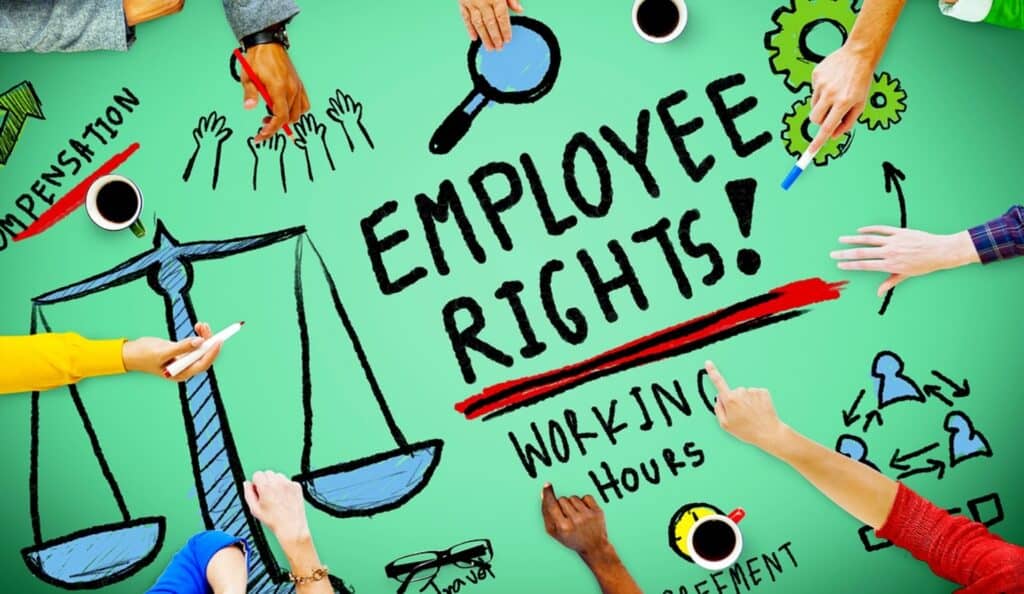
Employment laws, otherwise known as labor laws, concern the relationship between employers and employees. These laws are influenced by state and federal legislation, which ensure the rights of workers and their obligations. Some laws may apply only to larger employers; however, it is best practice that all employers comply with these standards. Adherence to these guidelines promotes fair dealings in addition to a healthy work environment. Small and large organizations alike need to comprehend and adhere to employment laws.
Relevant Acts:
The Fair Labor Standards Act (FLSA): This act sets the federal minimum wage at $7.25 and outlines the categories of employees eligible for overtime pay. Generally, with the exceptions for those who make at least $455.00 per week and the duties of executive, administrative, or professional activities, employees are entitled to overtime pay.
Federal Equal Employment Opportunity Commission: When it comes to responding to the discriminatory rules put in by the U.S. Equal Employment Opportunity Commission, they prevent such discrimination in employment based on protected attributes such as race, age, and disability. In certain localities, additional protection may apply; it is therefore best to consult a lawyer who can properly guide you in these matters.
Workers’ compensation: It is mandatory company insurance protecting workers injured on the job or affected by some occupational disease. Employers bear the entire burden of paying this insurance with no deduction from employees; hence, coverage is granted for workplace accidents.
The Family and Medical Leave Act: Companies with 50 or above employees are required to give extensive 12 weeks of unpaid, job-protected leave for certain family or medical purposes, as enshrined in the Family and Medical Leave Act. States may have additional leave laws to consider; therefore, it is best to obtain substantive legal advice.
The Occupational Safety and Health Act: This act requires employers to provide a work environment that is reasonably safe and free from serious hazards, and compliance is ensured through eventual inspections. Maintain a safe workplace, as this would mitigate accidents and administrative penalties.
The Americans with Disabilities Act: This act covers the discrimination against persons with disabilities while promoting equal employment and service access opportunities. One of the areas of concern might be in effecting physical accommodations in the workplace.
Equal Pay Act: Simply put, the Equal Pay Act allows justice to pervade payment procedures, since it mandates equal remuneration for male and female workers performing equal jobs under comparable conditions.
Environmental Law
Knowledge about environmental legislation is thus very relevant in corporate activities since these laws are designed to protect the environment and encourage sustainable practices. The Clean Air Act is one such major piece of legislation, designed to control the emission of gases and particulate matter by industries and other sources of air pollution.
Others include acts at the federal level, such as the Clean Water Act, meant to maintain the quality of water; the Comprehensive Environmental Response, Compensation, and Liability Act (CERCLA), which governs hazardous waste management; and in addition, each state has its environmental statutes. Therefore, generally, adhering to these laws helps owners protect the environment and comply with legalities that are vital to the business’s profit and sustainability.
Bankruptcy Law

In general, the filing of company bankruptcy in the United States has different dimensions, requiring the mastery of the Bankruptcy Code, of which chapters 7 and 11 are the most notable.
Chapter 7 consists of liquidating assets in order to pay debts, making it appropriate for those businesses that are not going to be operating anymore. A trustee takes care of the liquidation process, and the company is dissolved, once that trustee has paid all the debts.
Chapter 11 is for those companies that wish to restructure and continue doing business. This chapter allows a business to propose a plan to restructure its debts, negotiate with its creditors, possibly reduce its liabilities, and extend its repayment deadlines. An attorney who specializes in company bankruptcy is crucial. They help steer through the complexities of the process, properly selecting a chapter and fulfilling all requirements, thus minimizing the chances of complications arising from an improper filing.
Health Care Law

A few government departments, namely the Department of Health and Human Services, the Department of Labor, and the Internal Revenue Service monitor the realm of health care and employer-provided health insurance to implement the Affordable Care Act (ACA) provisions. Some companies, e.g., those having more than 50 full-time employees, are thus mandated by the ACA to adhere to certain reporting obligations. Employers who self-fund their health insurance also bear certain obligations. Furthermore, employers that provide health insurance must ensure the insurance is provided to all eligible employees within 90 days of their employment.
In conjunction with the ACA, the Small Business Health Options Program (SHOP) was created to assist small firms with 1-50 employees. This program enables small businesses to provide cheap health- and dental insurance coverage for their employees, thereby minimizing costs.
Privacy Law
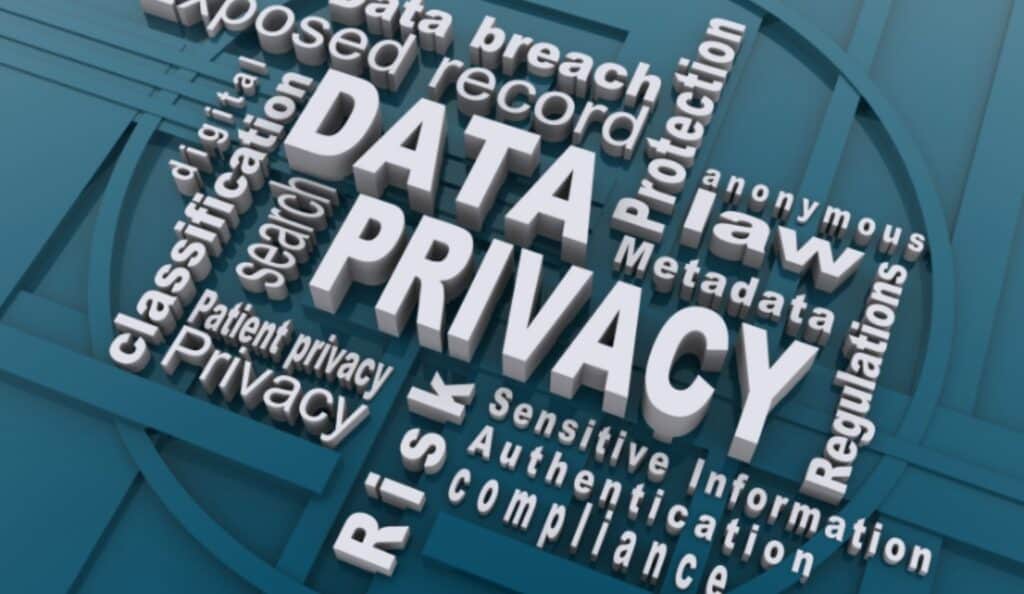
Customer privacy is of utmost concern and protected by the Federal Trade Commission’s rules. Customers and employees are concerned about how their private information is treated, and it is crucial to speak candidly about how data is used, for example, storing and sharing email addresses and payment information.
Credit card practitioners must meet PCI-DSS compliance requirements. This ensures a secure environment for processing, storing, and transmitting credit card information. Compliance may well be made easier through the use of accredited services like Square. Moreover, any time a business uses customer credit reports to assess consumers, or for other purposes such as employment, leasing, or insurance, it is covered under the Fair Credit Reporting Act. Therefore, this means the reports are used, reported, and responsibly disposed of according to working law.
Advertising Law

This means advertising ought to convey the truth about the product or service in its advertising technique. Advertising must be deceiving or even falsely boastful. The FTC is the main enforcement authority of these restrictions against misleading or deceptive advertising.
The CAN-SPAM Act is an important law for the email marketing industry. Emails must have appropriate headers and subject line information, provide the sender’s location, and give the recipient an easy option to opt out. The penalty for noncompliance with this act may be quite severe. The Telephone Consumer Protection Act puts stringent controls on telemarketing. These laws apply with particular diligence in sectors like credit repair, prepaid loans, and investment services. Because of the prohibition on false and misleading practices, these companies must procure consent and provide adequate disclosures before placing any calls or sending any messages.
Conclusion
Understanding various types of important business laws is vital for entrepreneurs in the USA to maintain compliance and protect their businesses. This set of laws indeed covers an extensive array of subjects, namely business setup, intellectual property, contracts, employment, taxation, antitrust, consumer protection, and environmental law. Entrepreneurs who are aware of these concepts and have consulted with an expert in the field will be able to sail smoothly through the legislation, avoiding many traps along the way and securely building an upfront for their enterprises.
Ultimately, understanding these laws in detail will enable the entrepreneur not just to save the business but also to nurture its growth and success amidst harsh competition. Also, client testimonials and endorsements used in advertising are regulated. Advertisers must ensure that testimonies represent the average customer experience fairly and disclose any important relationship with the advertiser, such as payment or other compensation. This demand for transparency is crucial for maintaining consumer confidence and assuring advertising fairness.