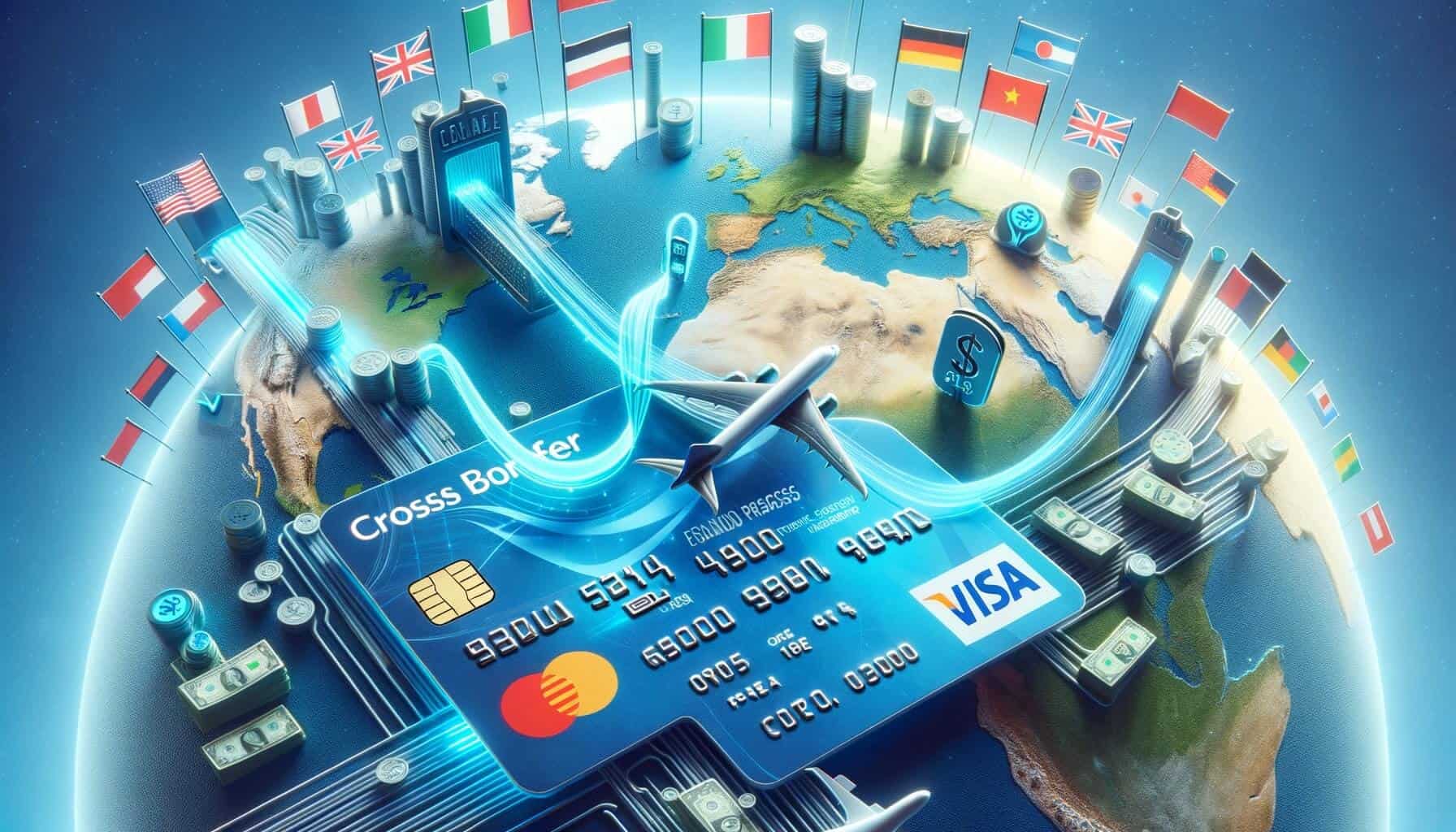
In today’s globalized economy, businesses are increasingly engaging in cross border transactions to expand their customer base and reach new markets. However, when it comes to credit card processing, these transactions can come with additional costs in the form of cross border fees. Understanding what these fees are and how they impact merchants and consumers is crucial for businesses operating in the international marketplace.
In this comprehensive guide, we will delve into the world of cross border fees for credit card processing. We will explore the basics of cross border transactions, the factors that influence these fees, the different types of fees that can be incurred, and the strategies that merchants can employ to minimize these costs. Additionally, we will address common misconceptions surrounding cross-border fees and provide answers to frequently asked questions.
Understanding the Basics of Cross Border Transactions
Cross border transactions occur when a customer uses a credit card issued in one country to make a purchase from a merchant located in another country. These transactions involve multiple parties, including the cardholder, the issuing bank, the acquiring bank, and the payment processor. Each of these entities plays a role in facilitating the transaction and may charge fees for their services.
When a cross border transaction takes place, it typically involves the conversion of currencies. The cardholder’s currency is converted into the merchant’s currency at an exchange rate determined by the payment processor or acquiring bank. This currency conversion process introduces additional costs, which are often passed on to the merchant in the form of cross border fees.
Factors Influencing Cross Border Fees

Several factors influence the amount of cross-border fees charged for credit card processing. These factors can vary depending on the payment processor, the acquiring bank, and the specific terms of the merchant’s agreement. Some of the key factors that can impact cross border fees include:
1. Transaction Volume: Merchants with higher transaction volumes may be able to negotiate lower cross-border fees due to their increased bargaining power.
2. Merchant Category: Certain industries, such as travel and hospitality, may be subject to higher cross-border fees due to the perceived higher risk associated with these sectors.
3. Card Type: Different credit card networks may have varying fee structures for cross border transactions. For example, Visa and Mastercard may charge different rates for the same transaction.
4. Currency Conversion: The method used to convert currencies can impact the fees charged. Some payment processors may offer competitive exchange rates, while others may add a markup to the rate, resulting in higher fees.
5. Geographical Location: The country where the merchant is located and the country where the cardholder’s issuing bank is located can also influence cross border fees. Some regions may have higher fees due to regulatory requirements or market conditions.
Different Types of Cross Border Fees

Cross border fees can take various forms, and it is essential for merchants to understand the different types of fees they may encounter. Here are some of the most common types of cross-border fees:
1. Cross Border Transaction Fee: This fee is charged by the payment processor or acquiring bank for processing a cross border transaction. It is typically a percentage of the transaction amount and can range from 1% to 3%.
2. Currency Conversion Fee: When a currency conversion is required, a fee may be charged to cover the costs associated with the conversion. This fee is usually a percentage of the transaction amount and can range from 1% to 2%.
3. International Service Assessment Fee: This fee is charged by credit card networks, such as Visa and Mastercard, for facilitating cross border transactions. It is typically a small percentage of the transaction amount and can range from 0.4% to 1%.
4. Interchange Fee: Interchange fees are charged by the cardholder’s issuing bank and are a percentage of the transaction amount. These fees can vary depending on the card type, the merchant’s industry, and the country where the transaction takes place.
5. Cross Border Assessment Fee: This fee is charged by credit card networks for cross border transactions. It is typically a fixed amount per transaction and can range from $0.10 to $0.50.
How Cross Border Fees Impact Merchants and Consumers

Cross-border fees can have a significant impact on both merchants and consumers. For merchants, these fees can eat into their profit margins and make international transactions less attractive. The additional costs associated with cross border fees can make it challenging for small businesses to compete in the global marketplace.
Consumers, on the other hand, may be faced with higher prices when making cross border purchases. Merchants often pass on the cost of cross-border fees to consumers, resulting in higher prices for goods and services. This can make it more expensive for consumers to shop internationally and may discourage them from making cross border purchases.
Strategies to Minimize Cross Border Fees
While cross border fees are an unavoidable cost of doing business internationally, there are strategies that merchants can employ to minimize these fees. Here are some effective strategies to consider:
1. Choose the Right Payment Processor: Different payment processors have varying fee structures for cross border transactions. Merchants should compare the fees charged by different processors and choose one that offers competitive rates.
2. Negotiate with Acquiring Banks: Merchants with a high transaction volume may be able to negotiate lower cross-border fees with their acquiring bank. It is worth exploring this option to secure more favorable terms.
3. Optimize Currency Conversion: Merchants can minimize currency conversion fees by choosing a payment processor that offers competitive exchange rates. It is also important to consider the timing of currency conversions to take advantage of favorable exchange rates.
4. Consider Local Currency Pricing: Offering pricing in the local currency of the customer can help minimize cross border fees. This allows customers to see the exact cost of the purchase in their own currency, reducing the need for currency conversion.
5. Explore Alternative Payment Methods: Some alternative payment methods, such as digital wallets and local payment solutions, may offer lower cross-border fees compared to traditional credit card processing. Merchants should consider offering these options to customers to reduce fees.
Common Misconceptions about Cross Border Fees
There are several common misconceptions surrounding cross border fees for credit card processing. It is important to debunk these misconceptions to ensure a clear understanding of the costs involved. Here are some of the most prevalent misconceptions:
1. Cross Border Fees are the Same for All Transactions: Cross-border fees can vary depending on various factors, including the payment processor, the acquiring bank, and the specific terms of the merchant’s agreement. It is crucial to understand the fee structure applicable to your business.
2. Cross Border Fees are Non-Negotiable: While some fees may be non-negotiable, merchants with a high transaction volume may be able to negotiate lower cross-border fees with their acquiring bank or payment processor. It is worth exploring this option to secure more favorable terms.
3. Cross Border Fees are Only Charged for Online Transactions: Cross-border fees can apply to both online and offline transactions. Any transaction involving a credit card issued in one country and a merchant located in another country can incur cross border fees.
4. Cross-Border Fees are the Same for all Credit Card Networks: Different credit card networks, such as Visa, Mastercard, and American Express, may have different fee structures for cross border transactions. It is important to understand the fee differences between these networks.
Frequently Asked Questions about Cross Border Fees
Q1. What is the purpose of cross border fees for credit card processing?
Cross border fees are charged to cover the costs associated with processing cross border transactions, including currency conversion and network facilitation.
Q2. Can cross border fees be avoided?
Cross border fees are an unavoidable cost of doing business internationally. However, merchants can employ strategies to minimize these fees, as discussed earlier in this guide.
Q3. How are cross border fees calculated?
Cross border fees are typically calculated as a percentage of the transaction amount or as a fixed amount per transaction. The specific calculation method can vary depending on the fee type and the payment processor or acquiring bank.
Q4. Are cross border fees the same for all countries?
Cross border fees can vary depending on the country where the merchant is located and the country where the cardholder’s issuing bank is located. Some regions may have higher fees due to regulatory requirements or market conditions.
Q5. Do cross border fees apply to all credit card transactions?
Cross border fees only apply to transactions involving a credit card issued in one country and a merchant located in another country. Domestic transactions within the same country do not incur cross border fees.
Conclusion
In conclusion, cross border fees for credit card processing are an important consideration for businesses operating in the international marketplace. Understanding the basics of cross border transactions, the factors that influence these fees, and the different types of fees that can be incurred is crucial for merchants looking to expand their customer base globally.
While cross border fees are an unavoidable cost of doing business internationally, merchants can employ strategies to minimize these fees and make international transactions more cost-effective. By choosing the right payment processor, negotiating with acquiring banks, optimizing currency conversion, considering local currency pricing, and exploring alternative payment methods, merchants can reduce the impact of cross border fees on their bottom line.
It is also important to debunk common misconceptions surrounding cross border fees to ensure a clear understanding of the costs involved. Cross border fees can vary depending on various factors, and merchants should be aware of the fee structure applicable to their business.
By navigating cross border fees effectively, businesses can unlock the potential of the global marketplace and capitalize on the opportunities presented by international transactions. With careful planning and strategic decision-making, merchants can minimize costs, enhance profitability, and provide a seamless payment experience for their customers around the world.