By Christina Ison January 31, 2025
With digital payment platforms on the rise, Cash App has become an attractive option for businesses to send and receive money quickly. Meanwhile, scammers are cashing in on this ease of access, targeting business accounts with particular scams. These scams range from fake payment confirmations to phishing attempts. They leave one vulnerable to financial loss and compromised personal information.We break down the most common Cash App business account scams, red flags to watch out for, and essential tips to protect your business from falling victim to fraud in this article. Stay informed and safeguard your transactions from cybercriminals.
What is a Cash App Business Account Scam?
Cash App Business Account Scam, which is an act by the rogue through which he operates on fraudulent scams that seek to use business facilities in Cash App to extract funds from one and his individual identifiable information in other transactions as bogus offers, thus giving cash App account benefits to receive all kinds of payments.
These scams primarily take the following forms presenting themselves as actual customers, receiving false refunds or counterfeit verification messages. Knowledge on how these operate will enable owners to prevent significant financial losses through protection of fraudsters‘ hijacking of the accounts.
Top Five Cash App Business Account Scams
The fraudsters use multiple tactics to exploit the Cash App business accounts, especially focusing on targeting small business owners, freelancers, and online sellers. Here are some of the most common scams to be mindful of:
1. Fake Payment Confirmation Scams
Scammers send fake payment receipts, emails, or messages coming from Cash App saying they paid. Scammers even edit screenshots of real Cash App transactions to make the payment look legitimate.They could coerce businessmen into sending merchandise or services, after which the retailer would find that no funds actually changed hands. Well, when one eventually figures out that there is something rotten in Denmark, the fraudster is already gone with the product or service.
2. Chargeback or Refund Scams
In this fraud, the thief pays using a stolen credit card or hacked Cash App account. When they have the goods or services, they file a claim against their bank or credit card company stating it was an unauthorized transaction.As Cash App transactions are immediate and final, the funds are transferred out of the business’s account and they end up with the financial loss along with no merchandise.
3. Overpayment Scam
The scammer sends more money than needed for a product or service and then claims it was an accident. They request the excess amount to be refunded, often to a different account or payment method.Since the original payment is fraudulent or made from a stolen account, it will eventually be reversed, leaving the business with no money and no product.
4. Phishing Scams
Fraudsters pretend to be Cash App agents and send Phishing scams email, text messages, or other types of messages with links to imitation websites that may appear to be the Cash App website. This phishing link gets the users into revealing their login details, and the actual scammers go on to exploit and drain those accounts.At times, they may ask for your bank account number, Social Security number, or even personal data that can be used for identity theft.
5. Business Verification Scam
Scammers send messages claiming business accounts need to be verified so that transactions continue to be processed. They advise business owners to make a “test” payment to confirm the status of their account, and most of them send links to fake websites.Once the money is sent, the scammer disappears, and the business loses the money.
6. Cash App Giveaway or Loan Scams
Fraudsters pretend that businesses qualify for Cash App grants, loans, or giveaways but must pay a “processing fee” or “release charge” before the money is received.They typically use fake social media accounts, emails, or texts that masquerade as real organizations or Cash App, promising that funds will be received after paying the fee. Once the fee is paid, the scammer vanishes, and no money is ever received.
7. Customer Support Impersonation

They will reach you through email, social media, or even make a call pretending to be a Cash App customer service. They claim there’s something wrong with your account and want to view your login details, card information, or even get remote access to your computer.They’ll also ask you to send them money so that they can allegedly fix something which will be returned to you later.
Cash App Business Scam Protection
Running a business with Cash App is convenient, but it also opens your business up to scams. Protect your business, your customers, and your assets by following these detailed security tips:
1. Verify All Payments Before Delivering Goods Or Services
The most common scam is the fake payment receipt or claim that a payment is “pending.” Scammers use screenshots or manipulated information to make it look like money is on the way, but it hasn’t actually been transferred yet.
- Always check your Cash App balance before fulfilling any orders or delivering services.
- You can confirm right from the app that the payment went through properly by checking your Cash App transaction history.
- Never rely on third-party emails or SMS notifications that indicate a payment is coming, and don’t rely solely on their claims without verifying directly on the Cash App app or website.
2. Never Issue Refunds to A Different Payment Method
Business owners get scammed with the overpayment scam. A scammer will send extra money and demand that a refund is made for excess, usually by stating a mistake. Once this refund has been processed, then the scammer will have gotten both the product and the money returned since the initial payment was fraudulent.
- If a customer overpays, do not refund the excess through another account or means. Cancel the transaction or even refuse to process the refund until the payment clears properly.
- Never use the gift cards, bank transfers, nor third-party services to refund payment. Cash App will handle refunds and ensure that only after confirming the legitimacy of the original payment.
3. Be On Your Guard For Unusual Customer Requests
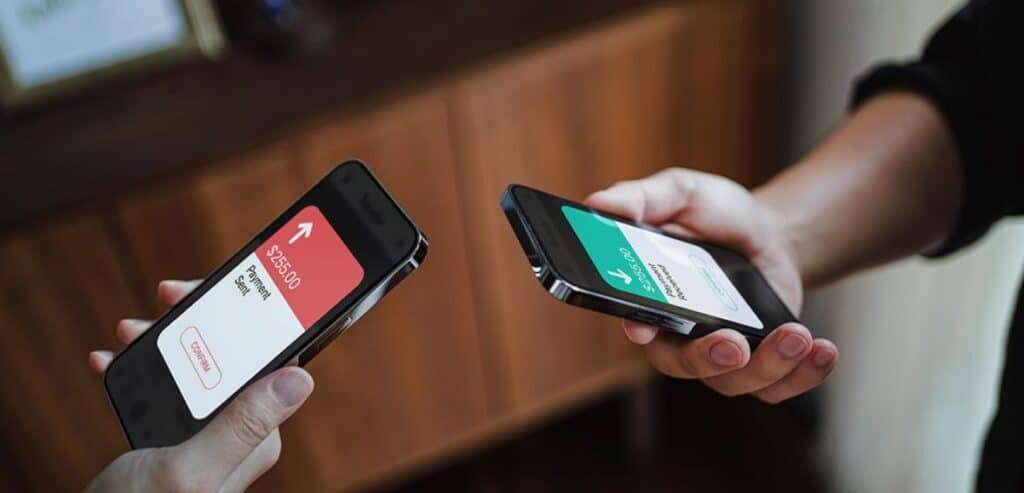
The fraudsters will always make you think they are in a hurry to get everything over and done so that you have to speed through and just agree with anything presented. When you sense suspicious or odd customer activity, process a higher-level validation of the transaction and close.
Watch out for the following type of customer; the demanding client who needs the refund or return fast, the client insisting on the mode of payment. This includes instances where the customer pushes you to make a decision at the last minute or is giving out contradictory and confusing information regarding the order.
Check for any change of orders which happen on the spot, particularly when the customer is requesting speedy delivery or promises to pay an amount greater than the due one.
4. Never Share Your Cash App Login Credentials
Most of the scams include impersonation. There are some cash app scam tactics where thieves become Cash App officials or clients by asking you to provide login credentials and a PIN to enter into your account.
Cash App would never contact you via text message, phone, or email requesting your login details, PIN, or any personal information.
Always log in to Cash App directly through the official app or website instead of clicking links or responding to unsolicited communication that asks for your account information.
If you receive a suspicious message, contact Cash App customer support directly through the app to confirm if the request is legitimate.
5. Enable Two-Factor Authentication (2FA)
Even if someone gets access to your account’s password, they won’t be able to log in without the second verification code. This makes it much harder for scammers to gain access to your business funds.
Enable 2 Factor Authentication in your Cash App settings to receive a text message or use an authentication app for each login attempt.Use a strong, unique password for your Cash App account, one that does not resemble any of your other online accounts.Never share your 2FA code with anyone and always be alert to phone calls or messages requesting this number.
6. Be Cautious Of Phishing Emails and Fake Support Messages
Most phishing scams are Cash App emails, text messages, or phone calls. Scams with malicious links that take you to fake websites designed to steal your login details or personal information may come disguised as Cash App.Always double-check the sender’s email address — Cash App emails should only come from official domains like ” @squareup.com” or ” @cash.app.”
- Never click on links in unverified messages. Use your browser to input the URL directly or through the Cash App app.
- If in doubt, call Cash App’s support line to clarify the communication you received.
7. Business Account
If using a Cash App for business, it is crucial to have separate business and personal accounts. This is because it will be easier to track transactions and identify suspicious activity when you have a different account for your business.
Cash App Business account over the personal one, a business account makes the managing of payments and tracking business-related expenses as separate from personal funds.Monitoring your business account regularly for unknown or suspicious transactions. You have full access to view all your transaction history with Cash App, so check on this feature often to check up on account activity.
8. Report and Block Suspicious Users
If you suspect a suspicious customer or a suspicious transaction, then report the user to the Cash App.
- Open the user’s profile in Cash App and tap on “Report” or “Block” to block further communications
- Forward phishing emails to [email protected] for Cash App fraud team to follow up on investigations and action.
- After reporting a suspicious user, clear the message or email from your inbox to not accidentally click a malicious link or respond to a scam.
9. Avoid Fake Giveaways and Loan Scams
Con artists often promote fake business loans, grants, or giveaways with promises to forward money after one pays a “processing” or “release” fee. Nothing is ever paid out, however, and the scammer retains the fee. Never pay any money to get loans, grants, or freebies offered as giveaways since Cash App never charges that.
If there’s an offer for a loan or business grant, research it and check its legitimacy before deciding on how much to put on the financial matters. Watch out for anything offering easy money, which only demands a very unbelievable payment to access it.
10. Lock Down Your App and Device
This helps protect your business by protecting your device and app from malware or security breaches.Update your Cash App by the installations of updates to ensure you have the latest security features.Use a strong password with mix letters, numbers, and special characters to enhance the account’s security features.
Install antivirus software in your device to protect against malware that can compromise your Cash App account.Never sign in to the business cash app through public Wi-Fi because this can be so easily sniffed by anyone over the connection.
What to Do If You Are a Cash App Business Scam Victim
If you happen to be a Cash App scam victim, the following is the step-by-step advice on how you will protect your assets and recover them:
1. Call Cash App Support Right Away
- Report Scam: Open Cash App, go to profile, tap “Support.” Report suspicious activity, and explain your situation.
- Share More Details: Share as much detail as you can about the transaction, such as the recipient’s details, amount, and nature of scam (e.g. fake business, unauthorized charge).
- Request Refund: In case you haven’t sent payment yet, you can cancel or dispute the transaction.
2. Scan the Transaction History
Look for your Cash App transaction history in order to be sure of a scam. Determine other suspicious transactions and report these to Cash App as well.
3. Reach Out to Business or Person
If you sent some supposed business or person any money, call them up and ask for your money back. Sometimes these types of scams are using the names of businesses. They might act like they don’t have any connection to this situation. Nevertheless, try to clear up with them personally first.
4. Contact Your Bank or Card Issuer
Report all accounts linked to your bank or credit card to the financial institution as soon as possible. Inform them of the scam and inquire whether they can prevent further transactions or if they may assist in getting your money back.
Certain financial institutions are capable of conducting a chargeback or other form of recovery if the transaction was performed using a debit or credit card.
5. Report the Crime to Authorities
- FTC (Federal Trade Commission): Report the scam to the FTC in the U.S. through their complaint tool ReportFraud.ftc.gov.
- IC3 (Internet Crime Complaint Center): File a complaint with IC3, which is operated by the FBI, on internet crime, including scams
- Law Enforcement Local: Report the incident to local police, if a bigger scheme goes with this scam, or you lost major amounts.
6. Reset Cash App Password
- Reset Password: Change cash app login PIN as well to instantaneously switch up the whole login credentials to new ones.
- Two-Factor Authentication: Secure account and hinder any scam hacker to get entry in your cash account.
7. Inform People
Share social media, web forums, tell your friends/relatives who got this particular kind of the same scam trick and do not become a next victim of scam tricks in this life. Most scams rely on gullible people, and the name works to safeguard the rest from a similar ordeal.
Conclusion
Cash App scams are quite common, running a gamut from false giveaways to fake business deals. Watch out and ensure that any unsolicited payment request gets verified. Report suspicious activity on Cash App support and alert your bank. Quick action is key to preventing further loss so be cautious and informed to save your money.