
By Christina Ison February 3, 2025
A class action, in essence, a most powerful legal mechanism, is designed in United States law to bring a multitude of individual claims into a single case. The Payment Card Interchange Fee Settlement is an extraordinary case in itself, but what makes it extraordinary is the uniqueness of its traits and ramifications that set it apart from other class actions.
What Is the Lawsuit About?
This lawsuit involves cross-border interchange fees merchants were charged when accepting credit or debit cards electronically from Visa or Mastercard from January 1, 2004, to January 25, 2019. The plaintiffs, under Rule 23(b)(3), claim that Visa and Mastercard and their member banks all had unlawful conduct concerning the setting up of these interchange fees.
The plaintiffs further say actions by both companies restricting merchants from directing customers to alternative forms of payment: rules prohibiting surcharging and discounting essentially insulated Visa and Mastercard from competitive pressure to lower interchange fees. The lawsuit further claims that there was a conspiracy between Visa and Mastercard on some of the disputed business practices.
By all accounts, both Visa and Mastercard seem to have exercised the same tactics, even after modifications affecting their corporate structures into publicly owned corporations. According to the assertions put forth by the plaintiffs, the defendant’s actions caused merchants to have to pay inflated interchange fees, which infringe upon the basis of their argument that such fees would not be in existence or would be lower but for the actions of the defendants. However, it is the defendants who contend that their actions are lawful, justified, and in the best interests of both merchants and consumers, and they deny all wrongdoing.
Why Is It a Class Action?

Class-action lawsuits have the power to enable individuals and/or corporations to sue not just for themselves but also for others with similar or related legal claims or interests. All these persons or entities having common rights and interests are grouped as one class and considered plaintiffs.
The ruling on the lawsuit or approval of the settlement by the Court applies to all members of the class with an exception for those who opt out. Here, the Court granted Final Approval to the settlement. On Friday, January 3, 2020, an appeal was lodged against the order of final approval. This settlement was finally allowed by the District Court.
Reason for Settlement
The Court hasn’t made a determination on the merits of this case or any putative legal violations. Both sides have simply agreed to settle the case to minimize the costs and uncertainties involved with trials and possible appeals.
This settlement followed protracted negotiations lasting many years and included mediation with two qualified mediators agreed upon by both sides. The settlement provides compensation for class members, and the plaintiffs and their counsel believe that this is the best outcome for all concerned. This settlement comes after thirteen years of hard-fought litigation. During discovery, the plaintiffs reviewed over 60 million documents and conducted more than 550 depositions accounting for both fact and expert testimony. Various motions were fully briefed and argued, but the Court made no rulings on any of these motions.
Amount of Money Awarded in this Settlement
Visa, Mastercard, and the Bank Defendants settled to pay $5.54 billion to merchants who did not opt out of the Settlement Class.
Each merchant in Rule 23(b)(3) Settlement Class who did not opt-out before the deadline and filed a valid claim will receive its payout from the settlement fund. Also, the settlement fund shall be used for the payment of:
- Costs related to administration and notification of the settlement; taxes on the settlement amount or any related tax obligations, as allowed by the Court.
- Monetary awards for Rule 23(b)(3) Class Plaintiffs’ service on behalf of the class, along with attorney fees and expenses.
How much Money will the Merchants get?
The settlement fund is intended to provide compensation based on actual or anticipated interchange fees arising from Visa and Mastercard transactions from January 1, 2004, to January 25, 2019.
The amount paid to each Authorized Claimant will vary due to several reasons:
- the total funds available for claims,
- the total value of valid claims and notifications incurred in the administration of the class action, and
- the attorney fees, taxes, and class representatives’ awards from the distribution fund.
Comparison to other Class Actions
There are differences between several different kinds of class actions, in particular, the Payment Card Interchange Fee Settlement. Traditional consumer class actions often deal with matters of defective products or services, which often result in refunds or replacements for consumers. Unlike the current settlement, which was targeted toward antitrust violations and the economic consequences of such violations on retailers in awarding monetary damages to corporations.
Environmental class actions generally seek clean-up for polluted areas or compensation for healthcare-related issues. The Payment Card Interchange Fee Settlement, however, departed from this standard by emphasizing the economic harm arising from disputed antitrust actions rather than environmental damage.
Employment class actions usually involve allegations of wage theft or discrimination in employment. The Payment Card Interchange Fee Settlement was significant because it was concerned with the financial actions of payment card networks and banks, therefore differing substantially from the usual employment-related claims
Comparing the Payment Card Interchange Fee Settlement to Other Class Actions
The Tobacco Settlement Agreement, 1998

The Tobacco Master Settlement Agreement of 1998 is America’s largest class action settlement, involving the four biggest cigarette makers and the attorneys general for 46 states, 5 territories, and Washington, D.C. It specifies that the cigarette companies were to pay the states upwards of $206 billion over a 25-year period, which includes annual payments of $9 billion. States like Minnesota, Florida, Texas, and Mississippi reached their settlements, choosing to opt out of the global accord.
This payout dwarfs any other class action settlement, with the next largest closing in at $20 billion. It was designed to resolve the myriad of lawsuits trying to recover the healthcare costs associated with smoking. After the initial agreement was reached, more tobacco corporations joined in accepting responsibility for the production and marketing of addictive products to children along with the associated health problems.
Out of the total amount of $206 billion, $1.5 billion was allocated for anti-smoking projects. Moreover, the settlement imposed strict restrictions on marketing tobacco products, which included prohibiting advertising to young people, brand sponsorships paid media placements, outdoor advertising, and cartoon promotional aids. Altogether, these settlements were not just huge, but they also changed business practices across the board and dealt with some of the widest public health concerns.
The Walmart Settlement (2018)
According to Walmart’s settlement for $45 million in a class action lawsuit in Florida, the company charged customers excessively for certain weight of groceries, including meat and seafood. The complaint covers all purchases made by the customers between October 19, 2018, to January 19, 2024, and certification customers had the right to claim refunds.
To claim a share, the merchant was required to visit the administrator’s website and fill out the online form with their contact information, information regarding the items that they have purchased, and what method they would like to receive their payment.
Furthermore, these legal problems are part of a continuing trend where umbrella cases are being filed against large corporations such as Walmart for antitrust concerns. Walmart resolved the matter by way of an alternative dispute resolution like Visa and Mastercard in the Payment Card Interchange fee settlement, which is why they’re notwithstanding a far-length legal trial.
Enron Securities Fraud Settlement (2008)
Enron’s bankruptcy in 2001 was one of the biggest corporate frauds in U.S. history, involving massive accounting malpractice and financial dishonesty. The company created special-purpose vehicles to hide massive amounts of debt and inflate profit, thus deceiving their investors and artificially sustaining high stock prices despite being heavily liquidated.
Once the truth came out, Enron declared bankruptcy in December 2001, one of the largest corporate bankruptcies at that time. Thousands of employees lost their jobs and retirement funds, while investors suffered massive financial losses. The scandal also crippled Arthur Andersen-the large auditing firm that participated in furthering Enron’s fraudulent schemes.
The shareholders and investors who suffered were refunded with a $7.2 billion settlement in 2008. The Enron crisis led to critical regulatory changes, including the Sarbanes-Oxley Act of 2002, aimed at enhancing financial reporting and corporate governance to avoid such occurrences in the future.
Volkswagen Diesel Emissions Settlement (2016)
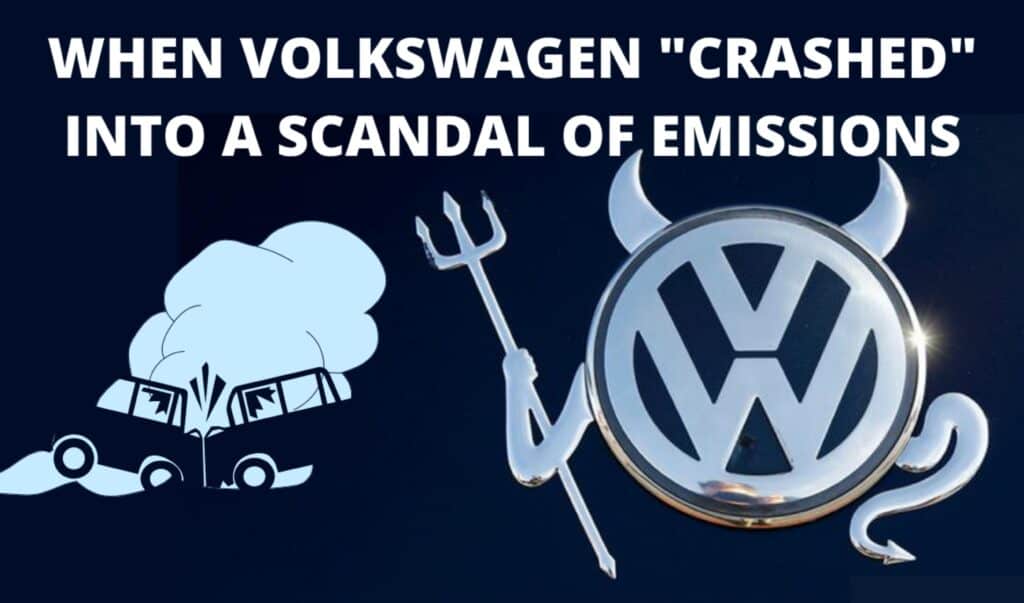
In 2016, a huge settlement of $14.7 billion was approved by a federal judge in San Francisco in connection with Volkswagen’s emission scandal. One of the largest environmental fraud settlement cases ever contained various components of remedies: compensations for purchase by affected car buyers, buybacks and terminations of leases, substantial modifications to vehicles to burnish their credentials to meet acceptable standards on emissions, and, lastly, billions for environment remediation. Furthermore, Volkswagen has vowed to set aside funds for electric vehicle charging infrastructure as restoration for the environmental damages caused by the scandal.
Ramifications on the Volkswagen brand were grievous, and they passed from criminal investigations through the resignations of leaders to the enactments of multibillion-dollar fines in various nations. This scandal also set into motion the emergence of heavy anti-pollution regulations and compliance norms for the industry across the globe.
The van settlement related to the buyback of the cars at market value, pre-emission scandal value plus compensation of about 475,000 owners of affected diesel cars. That was three years after the EPA began a lawsuit against Volkswagen in 2013. Major features of the settlement also included the 10-billion-dollar buyback program, compensations for affected owners, and emissions modifications for those who chose to retain their automobiles. This scandal wreaked havoc upon the Volkswagen name and triggered criminal investigations, management resignations, and multi-billion-dollar fines in several countries. It also initiated enhanced rules on pollution and greater compliance in the automobile industry across the globe.
BP Deepwater Horizon Oil Spill Settlement (2016)
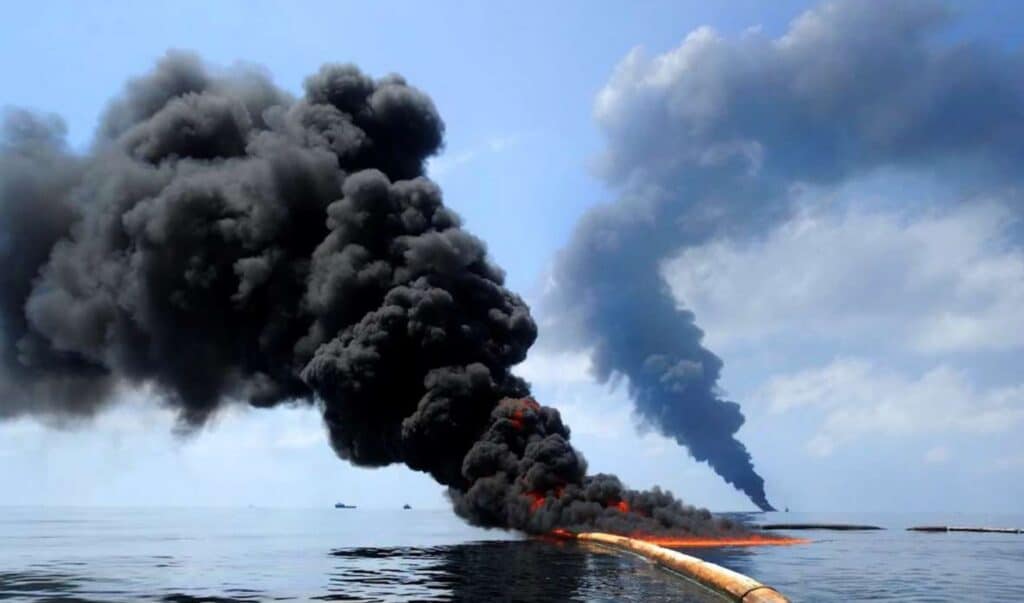
A $20 billion settlement meant to satisfy civil claims brought against BP for the Deepwater Horizon oil spill was authorized by a federal court in New Orleans in 2016. Most of the money, it is believed, would go toward satisfying federal claims and fines, with an estimated additional $5 billion to $6 billion going for potential payments to state and local governments. An explosion at BP’s offshore drilling rig caused the deaths of 11 people, and a massive oil leak spilled around 134 million gallons of crude oil over 87 days. This environmental disaster wreaked great havoc on the pristine marine ecosystems and seaside villages, causing billions worth of economic losses to fishery and tourism businesses.
Notably, it was public prosecutors who held the lead for this settlement, which diverges from the normal where private plaintiffs’ attorneys lead the charge in class action litigation. Legal experts have also criticized BP for using the settlement costs, $15 billion, as a tax write-off. The disbursement of funds under the settlement was to be used for environmental restoration, compensating companies and individuals suffering losses, and fines under the Clean Water Act. BP has also engaged in long-term monitoring and research programs related to the ongoing influences on species and ecosystems. The situation engendered a plethora of litigations across the United States, consisting of differing lawsuits from various authorities and private enterprises. Altogether, it triggered significant regulatory changes in offshore drilling toward enhancing safety mechanisms and supervision to minimize the chance of such occurrences.
Uber’s Antitrust Lawsuit (2014)
Uber had agreed to a $290 million settlement related to claims that it unlawfully withheld sales tax and other fees on the earnings of drivers in New York. It concerns those drivers who used the Uber Driver app in New York between November 10, 2014, to May 22, 2017, and deducted for the Black Car Fund and sales tax. The agreement provides various benefits for drivers in addition to monetary settlement, such as sick leave, the minimum pay of drivers working outside New York for up to one hour of paid training, notice of hire, and earnings summaries. The chat support was available to current Uber drivers from February 29, 2024.
Conclusion
The Payment Card Interchange Fee Settlement exemplifies the necessity of antitrust laws to safeguard enterprises against engaging in unfair practices. On the flip side, this illustrates that wide-reaching systemic problems confronting thousands of firms could all be addressed at once in a class action. That said, this settlement, which served to substantially compensate firms for their losses, should thus be put forward as the precedent or paradigm for any future class action seeking commercial injury. To put it simply, class actions create avenues for facilitating justice and for holding exploitative business conduct accountable, no matter how indirectly.
To sum up, the other numerous features of the Payment Card Interchange Fee Settlement suggest it is, for the most part, simply about the same as other successful class actions apart from the antitrust nature of violations that were alleged and the staggering amounts of settlement therein. This case illustrates that class actions are only one avenue to traverse in solving legal problems and providing relief to aggrieved parties.