
By Alex Knight March 21, 2025
In today’s digital age, online transactions have become an integral part of our lives. Whether it’s purchasing goods or services, paying bills, or transferring funds, the convenience of online transactions cannot be denied.
However, with the increasing number of online frauds and security breaches, it has become crucial to implement robust security measures to protect sensitive information and ensure secure transactions. One such security measure is 3D Secure Authentication.
Understanding the Basics of 3D Secure
3D Secure Authentication, also known as 3DS, is an additional layer of security that is designed to protect online transactions from unauthorized access and fraudulent activities. It is a protocol developed by Visa and Mastercard to provide an extra level of security for online payments. The primary purpose of 3D-Secure Authentication is to verify the identity of the cardholder during an online transaction, reducing the risk of fraud and chargebacks.
The Evolution of 3D Secure: From 3D Secure 1.0 to 3D Secure 2.0
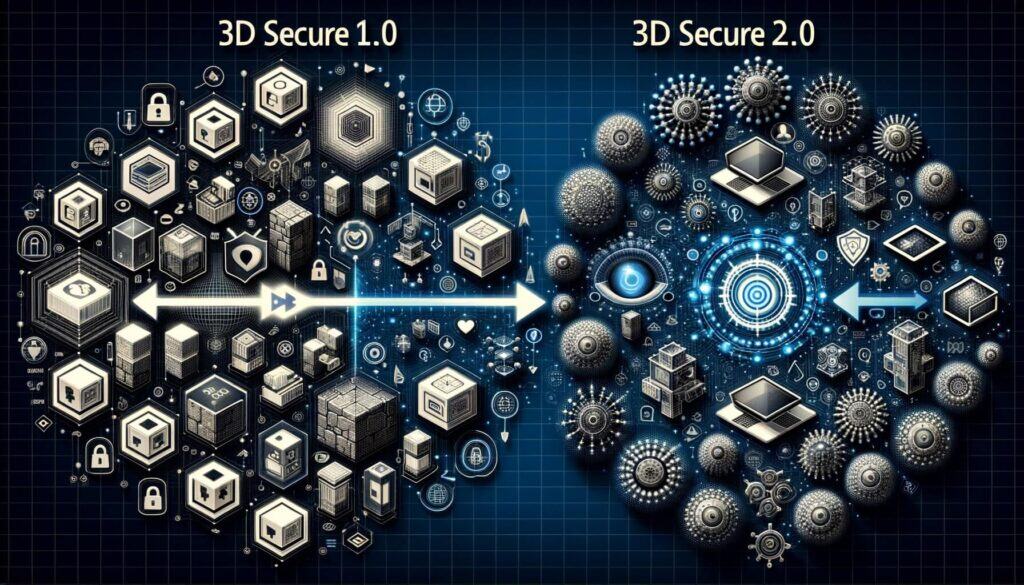
The journey of 3D Secure Authentication began with the introduction of 3D Secure 1.0 in the early 2000s. This version of 3DS relied on a static password that the cardholder had to enter during the checkout process. While it provided an additional layer of security, it had its limitations. The static password was often forgotten or easily guessed, making it less effective in preventing fraud.
To address these limitations, the industry introduced 3D Secure 2.0, which is the latest version of the protocol. 3D Secure 2.0 is a significant improvement over its predecessor, offering enhanced security features and a better user experience.
It uses advanced authentication methods, such as biometrics and one-time passwords, to verify the cardholder’s identity. Additionally, it provides a seamless checkout experience by reducing the number of authentication prompts, making it more user-friendly.
How Does 3D Secure Authentication Work?
The working of 3D Secure Authentication involves multiple parties, including the cardholder, the merchant, the card issuer, and the payment gateway. When a cardholder initiates an online transaction, the merchant’s website sends a request to the card issuer to authenticate the transaction.
The card issuer then checks if the card is enrolled in the 3D Secure program. If it is, the card issuer prompts the cardholder to authenticate the transaction using a secure method, such as entering a one-time password or providing biometric data.
Once the cardholder successfully completes the authentication process, the card issuer sends an authentication response back to the merchant. The merchant can then proceed with the transaction, knowing that the cardholder’s identity has been verified. If the authentication fails, the transaction may be declined, or the cardholder may be prompted to try again with a different authentication method.
Step-by-Step Guide to Implementing 3D Secure Authentication

Implementing 3D Secure Authentication involves several steps, and it is essential to follow them correctly to ensure a smooth and secure transaction process. Here is a step-by-step guide to implementing 3D Secure Authentication:
1. Choose a 3D Secure Authentication solution: There are several 3D Secure Authentication solutions available in the market. Research and choose a solution that best fits your business requirements and integrates seamlessly with your existing payment gateway.
2. Integrate the solution with your payment gateway: Once you have selected a 3D Secure Authentication solution, work with your payment gateway provider to integrate it into your online payment system. This integration will enable the authentication process during online transactions.
3. Enroll in the 3D Secure program: Contact your acquiring bank or payment processor to enroll in the 3D Secure program. They will provide you with the necessary documentation and guidelines to complete the enrollment process.
4. Update your website and payment flow: Modify your website and payment flow to accommodate the 3D Secure Authentication process. Ensure that the authentication prompts are displayed correctly and that the cardholder’s experience is seamless.
5. Test the implementation: Before going live with 3D Secure Authentication, thoroughly test the implementation to ensure that it works as expected. Test various scenarios, such as successful and failed authentication attempts, to identify and resolve any issues.
6. Communicate with your customers: Inform your customers about the implementation of 3D Secure Authentication and educate them about the benefits and importance of the additional security measure. Provide clear instructions on how to complete the authentication process to avoid any confusion or frustration.
7. Monitor and optimize: Once the implementation is live, monitor the authentication process and gather feedback from your customers. Continuously optimize the process to improve the user experience and minimize any potential disruptions.
Benefits and Advantages of 3D Secure Authentication
Implementing 3D Secure Authentication offers several benefits and advantages for both merchants and cardholders. Let’s explore some of the key benefits:
1. Enhanced security: 3D Secure Authentication adds an extra layer of security to online transactions, reducing the risk of fraud and unauthorized access. By verifying the cardholder’s identity, it ensures that only legitimate transactions are approved.
2. Reduced chargebacks: Chargebacks can be a significant concern for merchants, leading to financial losses and reputational damage. 3D Secure Authentication helps reduce the likelihood of chargebacks by providing proof of the cardholder’s involvement in the transaction.
3. Increased customer trust: With the rising number of online frauds, customers are becoming more cautious about sharing their card details online. By implementing 3D Secure Authentication, merchants can instill confidence in their customers, leading to increased trust and loyalty.
4. Compliance with industry standards: Many industries, such as e-commerce and financial services, have specific security standards and regulations that need to be followed. Implementing 3D Secure Authentication helps merchants comply with these standards and demonstrate their commitment to data security.
5. Seamless user experience: While security is crucial, it should not come at the cost of a poor user experience. 3D Secure 2.0 focuses on providing a seamless checkout experience by reducing the number of authentication prompts and leveraging advanced authentication methods.
Common Concerns and Misconceptions about 3D Secure Authentication
Despite the numerous benefits of 3D Secure Authentication, there are some common concerns and misconceptions surrounding its implementation. Let’s address a few of them:
1. Increased friction in the checkout process: One of the concerns raised by merchants is that 3D Secure Authentication may introduce additional steps and cause friction in the checkout process. However, with the advancements in 3D Secure 2.0, the authentication process has become more streamlined, minimizing any potential disruptions.
2. Limited customer adoption: Some merchants worry that customers may be reluctant to adopt 3D Secure Authentication, leading to a decrease in conversion rates. While it is true that some customers may find the authentication process inconvenient, educating them about the benefits and importance of the additional security measure can help alleviate their concerns.
3. Compatibility issues with older systems: Another concern is that implementing 3D Secure Authentication may not be compatible with older systems or payment gateways. However, most modern payment gateways and 3D Secure Authentication solutions are designed to be easily integrated into existing systems, ensuring compatibility and smooth operation.
4. False sense of security: There is a misconception that 3D Secure Authentication provides foolproof security and eliminates the risk of fraud entirely. While it significantly reduces the risk, it is important to remember that no security measure is 100% foolproof. Merchants should implement additional security measures, such as encryption and fraud detection systems, to further enhance their security posture.
Frequently Asked Questions (FAQs) about 3D Secure Authentication
Q1. What is the difference between 3D Secure 1.0 and 3D Secure 2.0?
Answer: 3D Secure 2.0 is an upgraded version of 3D Secure 1.0, offering enhanced security features and a better user experience. It uses advanced authentication methods, such as biometrics and one-time passwords, and reduces the number of authentication prompts during the checkout process.
Q2. Is 3D Secure Authentication mandatory for all online transactions?
Answer: No, 3D Secure Authentication is not mandatory for all online transactions. However, it is highly recommended for merchants who want to enhance the security of their online payment systems and reduce the risk of fraud and chargebacks.
Q3. Can 3D Secure Authentication be bypassed?
Answer: In certain cases, such as low-risk transactions or transactions with trusted merchants, the card issuer may choose to bypass the 3D Secure Authentication process. However, this decision is made by the card issuer based on their risk assessment and may vary from transaction to transaction.
Q4. Can customers opt-out of 3D Secure Authentication?
While customers cannot opt-out of 3D Secure Authentication entirely, they may have the option to use alternative authentication methods, such as biometrics or one-time passwords, instead of the traditional static password.
Conclusion
In conclusion, 3D Secure Authentication is a crucial security measure that provides an additional layer of protection for online transactions. With the evolution of 3D Secure from version 1.0 to 2.0, the authentication process has become more secure and user-friendly.
By implementing 3D Secure Authentication, merchants can enhance the security of their online payment systems, reduce the risk of fraud and chargebacks, and instill confidence in their customers. While there may be concerns and misconceptions surrounding its implementation, educating customers about the benefits and importance of 3D Secure Authentication can help overcome these challenges.
Ultimately, the adoption of 3D Secure Authentication is a step towards a safer and more secure online transaction environment.