
In today’s digital age, businesses are constantly seeking ways to streamline their operations and improve efficiency. One area that often presents challenges is the processing of payments between businesses, commonly known as B2B payments.
B2B payments processing refers to the systems and processes used to facilitate the transfer of funds between businesses for goods and services rendered. This article will provide a comprehensive guide to understanding B2B payments processing and how to implement it effectively.
Understanding the Basics of B2B Payments
B2B payments differ from consumer payments in several ways. While consumer payments are typically made by individuals for personal use, B2B payments involve transactions between two businesses. These transactions can range from small, one-time purchases to large, ongoing contracts. Business to Business payments also tend to be more complex, often involving multiple parties, longer payment terms, and higher transaction volumes.
Key Components of B2B Payments Processing
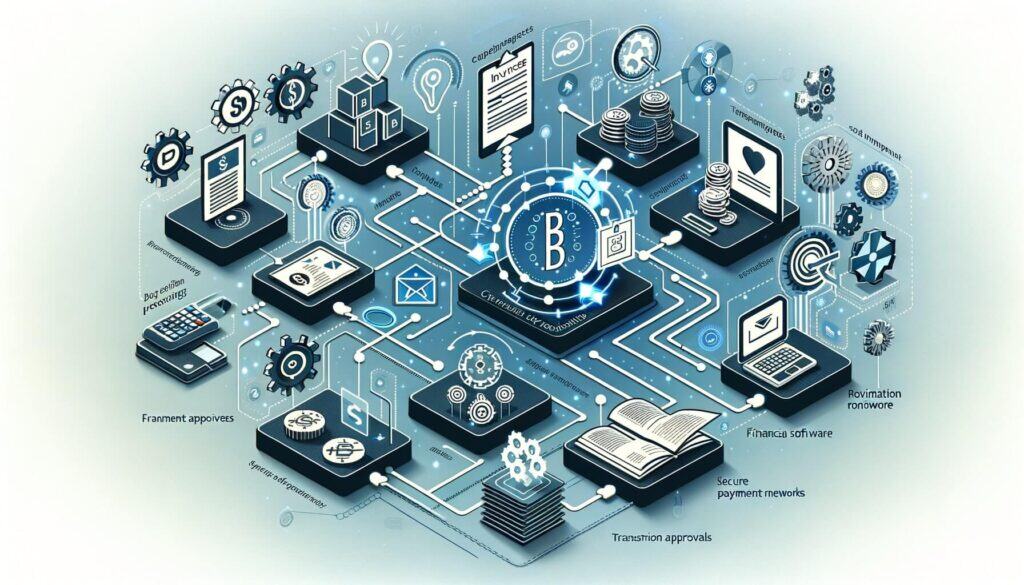
To effectively process B2B payments, it is essential to understand the key components involved. These components include invoicing, payment acceptance, payment processing, and reconciliation. Let’s explore each of these components in detail.
1. Invoicing: Invoicing is the process of generating and sending an invoice to a business’s customer. It includes details such as the amount owed, payment terms, and any applicable discounts or late fees. Invoicing can be done manually or automated using accounting software.
2. Payment Acceptance: Once an invoice is sent, the next step is to provide customers with various payment options. These options can include credit card payments, electronic funds transfers (EFTs), checks, or even mobile payment solutions. Offering multiple payment methods increases convenience for customers and improves cash flow for businesses.
3. Payment Processing: After a customer makes a payment, the funds need to be processed and transferred to the business’s bank account. Payment processing involves verifying the payment details, securely transmitting the funds, and updating the accounting records. This step can be done in-house or outsourced to a payment processor.
4. Reconciliation: Reconciliation is the process of matching the payments received with the corresponding invoices. It ensures that all payments are accurately recorded and accounted for. Reconciliation can be a time-consuming task, especially for businesses with high transaction volumes. However, it is crucial for maintaining accurate financial records and identifying any discrepancies.
Choosing the Right B2B Payments Solution for Your Business

Selecting the right B2B payments solution is crucial for businesses looking to optimize their payment processing. There are several factors to consider when choosing a solution, including cost, security, scalability, and integration capabilities. Let’s explore these factors in more detail.
1. Cost: The cost of implementing a B2B payments solution can vary significantly depending on the size and needs of the business. It is essential to consider not only the upfront costs but also any ongoing fees or transaction charges. Comparing different solutions and understanding the pricing structure is crucial to ensure the chosen solution aligns with the business’s budget.
2. Security: B2B payments involve sensitive financial information, making security a top priority. Businesses should look for solutions that offer robust security measures, such as encryption, tokenization, and fraud detection. Compliance with industry standards, such as the Payment Card Industry Data Security Standard (PCI DSS), is also essential to protect against data breaches.
3. Scalability: As businesses grow, their payment processing needs may change. It is crucial to choose a solution that can scale with the business’s growth and accommodate increasing transaction volumes. Scalability ensures that the payment processing system can handle the business’s evolving needs without disruptions or performance issues.
4. Integration Capabilities: Integrating the B2B payments solution with existing systems, such as accounting software or enterprise resource planning (ERP) systems, is essential for seamless operations. Businesses should look for solutions that offer easy integration options and provide APIs or connectors to connect with other systems. This integration streamlines processes, reduces manual data entry, and improves overall efficiency.
Implementing B2B Payments Processing: Step-by-Step Guide

Implementing B2B payments processing requires careful planning and execution. Here is a step-by-step guide to help businesses navigate the implementation process successfully.
1. Assess Current Processes: Start by evaluating the existing payment processes and identifying pain points or areas for improvement. This assessment will help determine the specific requirements and goals for implementing a B2B payments solution.
2. Research and Compare Solutions: Conduct thorough research to identify potential B2B payments solutions that meet the business’s requirements. Compare features, pricing, security measures, and integration capabilities to narrow down the options.
3. Select a Solution: Based on the research and comparison, choose the B2B payments solution that best aligns with the business’s needs and goals. Consider factors such as cost, security, scalability, and integration capabilities.
4. Plan for Implementation: Develop a detailed implementation plan that outlines the necessary steps, timelines, and responsibilities. This plan should include tasks such as data migration, system configuration, employee training, and testing.
5. Configure the Solution: Work closely with the chosen solution provider to configure the system according to the business’s requirements. This may involve setting up payment gateways, customizing invoice templates, and integrating with existing systems.
6. Test and Validate: Before fully deploying the B2B payments solution, conduct thorough testing to ensure all functionalities are working as expected. Test various scenarios, such as different payment methods, invoice formats, and reconciliation processes, to identify and address any issues.
7. Train Employees: Provide comprehensive training to employees who will be using the B2B payments solution. This training should cover all aspects of the system, including invoicing, payment acceptance, payment processing, and reconciliation. Training ensures that employees can effectively use the system and maximize its benefits.
8. Rollout and Monitor: Once the B2B payments solution is implemented, closely monitor its performance and gather feedback from users. Address any issues or concerns promptly and make necessary adjustments to optimize the system’s effectiveness.
Integrating B2B Payments with Existing Systems
Integrating B2B payments with existing systems, such as accounting software or ERP systems, is crucial for seamless operations and data accuracy. Here are some key considerations for integrating B2B payments with existing systems.
1. Compatibility: Ensure that the B2B payments solution is compatible with the existing systems. This may involve checking for compatibility with specific file formats, APIs, or connectors. Compatibility ensures smooth data transfer and eliminates the need for manual data entry.
2. Data Mapping: Define the data mapping process to ensure that information flows accurately between systems. This involves mapping data fields from the B2B payments solution to the corresponding fields in the existing systems. Data mapping reduces errors and ensures consistency across systems.
3. Automation: Leverage automation capabilities to streamline the integration process. Automating data transfer, reconciliation, and reporting reduces manual effort, minimizes errors, and improves efficiency. Look for solutions that offer automation features or consider using integration platforms to facilitate the integration process.
Ensuring Security and Compliance in B2B Payments
Security and compliance are critical considerations in B2B payments processing. Businesses must take steps to protect sensitive financial information and comply with relevant regulations. Here are some best practices for ensuring security and compliance in B2B payments.
1. Encryption: Implement encryption technologies to protect data during transmission and storage. Encryption converts sensitive information into unreadable code, making it difficult for unauthorized individuals to access or decipher.
2. Tokenization: Consider tokenization as an additional layer of security. Tokenization replaces sensitive data, such as credit card numbers, with unique tokens. These tokens are meaningless to hackers, reducing the risk of data breaches.
3. Fraud Detection: Implement fraud detection measures to identify and prevent fraudulent activities. This can include real-time monitoring of transactions, anomaly detection algorithms, and user authentication protocols. Early detection of suspicious activities can help mitigate potential losses.
4. Compliance with Regulations: Stay up to date with relevant regulations, such as the General Data Protection Regulation (GDPR) or the Payment Card Industry Data Security Standard (PCI DSS). Ensure that the B2B payments solution complies with these regulations and follow best practices for data protection and privacy.
Optimizing B2B Payments for Efficiency and Cost Savings
Optimizing B2B payments processing can lead to significant efficiency gains and cost savings for businesses. Here are some strategies to optimize B2B payments.
1. Streamline Invoicing: Automate the invoicing process to reduce manual effort and improve accuracy. Use accounting software or invoicing platforms that offer templates, recurring invoicing, and customization options. Streamlining invoicing reduces errors, speeds up the payment cycle, and improves cash flow.
2. Offer Convenient Payment Options: Provide customers with multiple payment options to increase convenience and encourage timely payments. Accept credit card payments, EFTs, checks, and mobile payment solutions. Offering a variety of payment methods improves customer satisfaction and reduces the risk of late payments.
3. Implement Electronic Payments: Transition from paper-based payments, such as checks, to electronic payments. Electronic payments are faster, more secure, and reduce administrative costs associated with printing, mailing, and processing paper checks. Consider implementing electronic funds transfers (EFTs) or using payment gateways for online payments.
4. Leverage Automation: Automate payment processing and reconciliation to reduce manual effort and improve efficiency. Use payment processors or accounting software that offer automation features, such as batch processing, automatic reconciliation, and payment reminders. Automation reduces errors, speeds up the payment cycle, and frees up resources for more strategic tasks.
Common Challenges and Solutions in B2B Payments Processing
Implementing B2B payments processing can come with its fair share of challenges. Here are some common challenges businesses may face and potential solutions to overcome them.
1. Complex Payment Terms: B2B transactions often involve complex payment terms, such as net 30 or net 60. Managing these terms manually can be time-consuming and prone to errors. Implementing an automated payment reminder system can help ensure timely payments and reduce the risk of late fees.
2. High Transaction Volumes: Businesses with high transaction volumes may struggle to process payments efficiently. Implementing a scalable payment processing solution that can handle large volumes is crucial. Consider using payment processors or accounting software that specialize in B2B payments and can handle high transaction volumes.
3. Reconciliation Discrepancies: Reconciliation discrepancies can occur due to various reasons, such as missing or mismatched payment information. Implementing automated reconciliation processes and using tools that offer real-time reconciliation can help identify and resolve discrepancies quickly.
4. Payment Fraud: B2B payments are susceptible to fraud, such as invoice fraud or unauthorized transactions. Implementing fraud detection measures, such as real-time transaction monitoring and user authentication protocols, can help mitigate the risk of fraud. Educating employees about common fraud schemes and implementing strong internal controls is also essential.
FAQs
Q1. What is B2B payments processing?
A1. B2B payments processing refers to the systems and procedures used to facilitate the exchange of funds between businesses. It involves invoicing, payment approval, reconciliation, and other steps to ensure smooth transactions.
Q2. What are the key components of B2B payments processing?
A2. The key components of B2B payments processing include invoicing, payment methods, payment gateways, and reconciliation. These components work together to facilitate the exchange of funds between businesses.
Q3. How do I choose the right B2B payments solution for my business?
A3. When choosing a B2B payments solution, consider factors such as cost, security, scalability, and integration capabilities. Evaluate different vendors based on their reputation, customer reviews, and track record.
Q4. How do I implement B2B payments processing?
A4. Implementing B2B payments processing involves assessing current payment processes, setting objectives, researching available solutions, selecting a vendor, planning for implementation, testing and configuring the solution, training employees, and communicating with customers and suppliers.
Q5. How can I ensure security and compliance in B2B payments?
A5. To ensure security and compliance in B2B payments, implement encryption, tokenization, two-factor authentication, and comply with industry regulations such as PCI DSS. Conduct regular security audits to identify vulnerabilities and address them promptly.
Conclusion
B2B payments processing plays a crucial role in the smooth operation of businesses. Understanding the basics of B2B payments, key components involved, and choosing the right solution are essential for successful implementation. Integrating B2B payments with existing systems, ensuring security and compliance, and optimizing payments for efficiency and cost savings are key considerations.
Despite the challenges that may arise, businesses can overcome them by leveraging automation, implementing best practices, and staying up to date with industry trends. By effectively implementing B2B payments processing, businesses can streamline their operations, improve cash flow, and enhance customer satisfaction.