Fuel Variance , one of the most typical issues in pay-at-the-pump industries, happens to be generated by delivery variance, temperature variance, or even measurement errors. Such variances lead to revenue loss, customer frustration, and not so productive operation. Having the fuel price become very pricey lately, it now presents any fuel retailing company with significant points of emphasis.
This article addresses some general issues related to fuel variance and some concrete solutions for accuracy with a view towards enhancing customer’s confidence and in turn maximizing one’s profit.
Standard Issues with Pay-at-the-Pump Systems
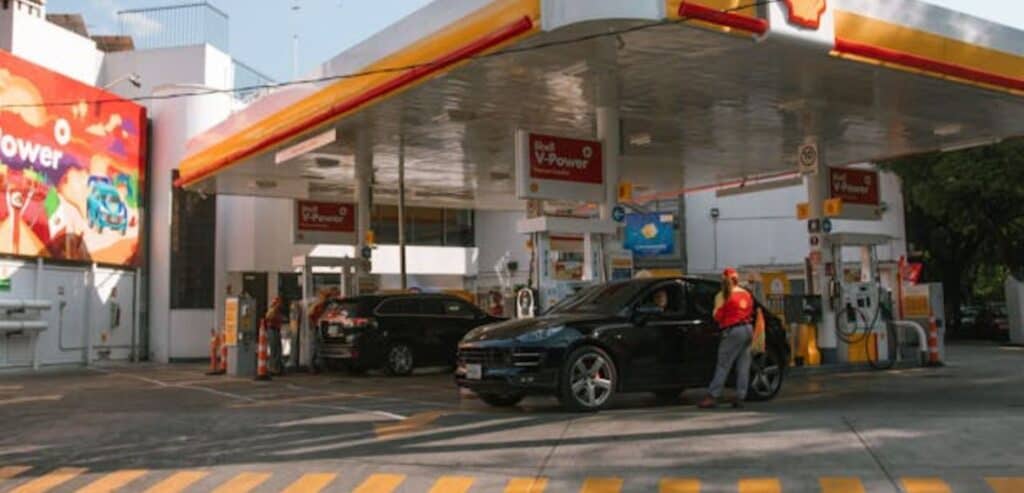
Pay-at-the-pump systems are convenient, but there are problems on both sides: consumer and gas station operator sides. The problems emanate from technical, user, and system vulnerabilities.
1. Pump Calibration Problems
Problem: The amount of fuel dispensed does not match that indicated on the pump meter because of errors in calibration or wear and tear.
Impact: The consumers receive fewer fuels than they pay for, and the station owners suffer losses and lawsuits.
Causes: Due to frequent use, poor maintenance, or intentional fraud.
2. Price Differences
Problem: The price indicated is different from the amount charged to the consumers.
Impact: Customers become mistrustful of the retail stations and then report to authorities.
Cause: Pump system could not update correctly, programming went wrong, or someone was dishonest
3. Card Authorization Holds
Problem : At a pay-at-the pump terminal, accounts are locked; this can freeze up to a $50 amount or $100, pending on authorization.
Impact: This may be a reason for low-income consumers, and the frustration is worse when days are consumed just to release the freeze.
Cause: Payment processors freeze funds as a means to ensure that the transaction is consummated.
4. Fuel Contamination
Problems: Fuel meters are that part of the fuel-dispensing stations, which measure and charge for the amount of fuel delivered with reasonable accuracy.
Impact: The former wears out as a normal effect of usage, and latter due to their clean nature has become so sensitive that frequent recertification and servicing are needed.
Causes: The absence of these can mean the loss of meter accuracy that enables the customer to either get less or more than the amount he pays for.
5. Temperature Variation
Problem: When the mercury soars during summer, this means that fuel expands as against the constricting which takes place in cold weather as the customers receive fewer units of energy units per gallon.
Impact: Gas station gets less efficient gasoline but the client never knows why.
Cause: Many pumps fail to have technologies with temperature correction capabilities.
6. Payment Card Vulnerabilities

Problem: Pay-at-the-pump systems are the favorite target of credit card skimming or hacking.
Impact: Consumers become victims of fraudulent transactions, identity theft, and financial loss.
Cause: Obsolete or unencrypted payment systems and lack of security measures.
7. Display and User Interface Problems
Problem: Consumers are confused when the displays do not work correctly or when interaction is poor. This results in incorrect payment or wrong kind of fuel dispensed.
Impact: Wrong kind of fuel dispensing, wrong amount, or even overcharging at the pump.
Cause: Age of equipment, or lack of regular maintenance schedule.
8. Poor Customer Care
Problem: No fast redress for any customer complaint of pump failure, or failure at the payment mode.
Impact: Anger loss and customer retention.
Cause: Understaffed or lack of automated support system.
9. Malpractices
Problem: Stations can tamper with pumps to dispense fewer gallons than shown or alter the payment mechanism.
Impact: The consumer is shortchanged, and the owner is penalized if he gets caught.
Cause: Vandalism or carelessness.
10. Inaccessibility
Problem: Pay-at-the-pump systems are inaccessible to people with disabilities, the elderly, or those who are not familiar with the technology.
Impact: Low inclusivity and poor customer experience.
Cause: Poor design that is not user-friendly or does not meet ADA requirements.
11. Theft
Problem: Theft, from tampering with dispensers to missing deliveries of as much as 600 gallons of fuel.
Impact: It takes a huge chomp out of your profits.
Causes: Thieves have become very ingenious in their thievery. They begin stealing fuel right from underground storage tanks, drain fuel directly from dispenser meters, or drive off without paying after filling up.
12. Poor Maintenance
Problem: Among the most immediate sources of fuel loss, a pressing source one is storage tank leaks.
Impact: Aside from environmental and regulatory risks, leaks may signify enormous profit losses.
Causes: Even so, some solutions could be done for the detection and Fuel loss prevention , such as automatic tank gauges and alarm management services.
Economic Impact
Fuel variance—the difference between measured and actual fuel levels—has deep economic implications for retailers, as summed up here:
1. Profits and Lost Revenue
Fuel retailers enjoy rather narrow margins; they collect a fuel margin anywhere from $0.05 to $0.07 per gallon.Small variances really add up to become material that rapidly causes the retailer six-figure revenue loss in short order spread across so many locations.
2. Operating Inefficiencies
This absorbs a lot of time and resources for the analysis and rectification of the differences in fuels. A process like this is likely to cause interruptions to operations and, therefore, core business cannot be performed for an extended period, which has the effect of prolonging idleness.
This process tends to snowball into major problems in a good number of points of the supply chain unless corrected. Due to this, correction becomes expensive.
3. Legal and Liability Aspects
The changes in fuels might make accounting variations that are going to add more liabilities and even higher tax implications.Failure to address the issues leads to NOVs and fines from regulatory bodies, which would adversely affect the business’s financial situation adversely.
4. Consumer Confidence and Sales
Inaccurate fuel dispensing can be eroded to the consumer, thus reducing customer loyalty and subsequently decreasing sales.Accurate measurement of fuel consumption by consumers can mar the reputation of the fuel retailers, and it directly reflects on their bottom line
5. Macro-Economic Impacts
Fuel price variations will also influence consumer behavior as “expenditure” or “spending” of other goods and services is impacted.The expensive fuels restrain discretionary spending, and it has usually affected the whole economy.
There is also increased influence on operating and pricing, majorly for firms whose operations focus much on transporting.The eradication of such disparity will escalate profitability, regulation by the main regulatory bodies and consumers’ confidence.
The impressive measures for curing such economic problem entail effective checking mechanisms, care and maintenance services, and crystal-clear operating prices.
Strategies for Combating

For proper dispensing of fuel, a variance in the pay-at-the-pump systems has to be addressed, based on the accuracy of the systems, the confidence of consumers, and profitability to the fuel retailer.Some practical measures to eliminate such problems have been discussed in the following:
1. Advanced Monitoring Systems
Utilize the ATG systems in tracking the continuous process of fuel levels and differences real-time.These determine sources of variance, hence it is easy to understand a company’s status in terms of its inventory, compliance, and financial position.
2. Calibration and Maintenance
Schedule calibration of fuel dispensers such that what is dispensed can be confirmed to be correct by the quantity provided.Periodic servicing ensures there are no problems of meter drifts that later cause variability in fueling.
3. Improve Data Integration and Analytics
Implement industrial-specific integrated technology, which uses real-time information to monitor its systems and generates granular details that enable superior, faster decisions in business areas. This leads to the finding of trouble areas and reducing their inventory variance.
4. Install Prepaid Fuel Systems
The cases of fuel theft and financial errors will be reduced because prepaid fuel systems are being introduced.For instance, the stations that have introduced prepaid systems have decreased their fuel theft cases. This is because the consumers pay before the fuel is released.
5. Use Transparent Pricing Policy
Ensure that the fuel stations publish and freeze prices for a given period so that the consumer can make a decision, and there is transparency.For example, the Fair Fuel Plan requires petrol stations to post their prices for the next day, which are then found on official apps.
6. Advanced Variance Analysis Tools
Use services such as Insite360 Advanced Variance Analysis to track and identify meter drift and other sources of variance.These cloud-based services offer 24/7 support and analysis of fuel site data, which help reduce the level of fuel variance across networks.
By implementing all these efforts, retailers can successfully counter fuel variance and take measures that support the proper dispensation of fuel, increase satisfaction, and provide efficiency in operations.
Conclusion
Fuel variance in pay-at-the-pump systems presents issues to fuel retailers both economically and operationally and in matters of trust with the customers.
Advanced Fuel loss prevention along with proper maintenance and transparent price structures can ease the issues for fuel retailers involving fuel variance, remain accurate while being compliant with the set level of compliance, and woo the customer.
By employing proactive solutions and technological leverage, the losses can now be minimized, efficiency improved, and long-term consumer trust built for the retailers.