
In today’s digital age, convenience and efficiency are paramount when it comes to making payments. Traditional methods such as cash and card payments are slowly being replaced by more innovative and secure options. One such option that has gained significant popularity is QR code payments. QR code payments offer a seamless and contactless way to make transactions, making them the future of digital transactions.
QR code payments utilize Quick Response (QR) codes, which are two-dimensional barcodes that can be scanned using a smartphone or a dedicated QR code scanner. These codes contain encrypted information that is linked to a specific payment transaction. By scanning the QR code, users can initiate a payment and complete the transaction within seconds.
How QR Code Payments Work: A Step-by-Step Guide
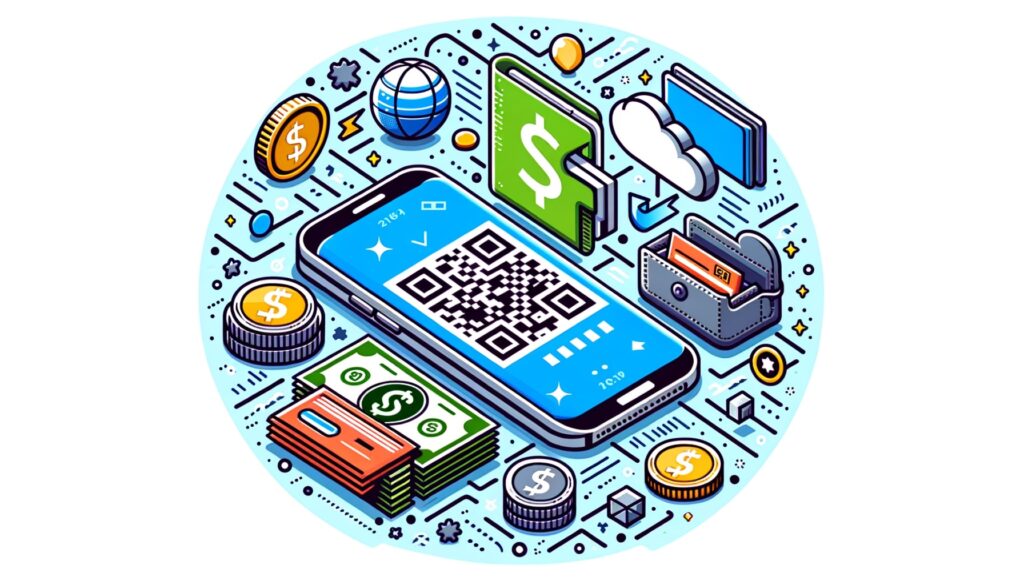
To understand how QR code payments work, let’s walk through a step-by-step guide:
- Step 1: Merchant Generates QR Code – The merchant generates a unique QR code that contains the necessary payment information. This can be done using a QR code generator or through a payment app.
- Step 2: Customer Scans QR Code – The customer uses their smartphone’s camera or a QR code scanner app to scan the QR code displayed by the merchant.
- Step 3: Payment Authorization – Once the QR code is scanned, the customer’s payment app opens, prompting them to authorize the payment. This can be done by entering a PIN, using biometric authentication, or through other secure methods.
- Step 4: Transaction Confirmation – After the payment is authorized, the customer receives a confirmation message on their device, indicating that the transaction was successful.
- Step 5: Merchant Receives Payment – The merchant’s payment system receives the payment confirmation, and the transaction is completed. The merchant can then provide the customer with a receipt if necessary.
Benefits of QR Code Payments: Convenience, Security, and Efficiency

QR code payments offer several benefits that make them an attractive option for both consumers and businesses. Let’s explore some of these benefits:
- Convenience – QR code payments eliminate the need for physical cash or cards, making transactions quick and hassle-free. Users can simply scan a QR code and complete the payment within seconds, without the need to carry multiple cards or count cash.
- Security – QR code payments are highly secure as they utilize encryption technology to protect sensitive payment information. Additionally, the use of biometric authentication, such as fingerprint or facial recognition, adds an extra layer of security, reducing the risk of fraud or unauthorized transactions.
- Efficiency – QR code payments streamline the payment process for businesses, reducing the time spent on handling cash or processing card payments. This increased efficiency can lead to faster checkout times and improved customer satisfaction.
- Cost-Effective – QR code payments eliminate the need for expensive card terminals or cash handling equipment, making them a cost-effective solution for businesses. Additionally, the low transaction fees associated with QR code payments make them an attractive option for small businesses and merchants.
QR Code Payment Apps: Top Players in the Market

Several QR code payment apps have emerged in the market, offering users a convenient way to make payments. Let’s take a look at some of the top players in the QR code payment app market:
- Alipay – Alipay, developed by Alibaba Group, is one of the leading QR code payment apps globally. It offers a wide range of services, including mobile payments, money transfers, and bill payments. Alipay has a vast user base in China and is expanding its presence internationally.
- WeChat Pay – WeChat Pay, integrated within the popular messaging app WeChat, is another dominant player in the QR code payment market. WeChat Pay allows users to make payments, send money to friends, and even split bills. It has gained significant popularity in China and is gradually expanding its reach globally.
- Paytm – Paytm is a popular QR code payment app in India, offering a range of services such as mobile recharges, bill payments, and online shopping. Paytm has gained widespread acceptance in India and has become a preferred payment method for many users.
- PayPal – PayPal, a well-known digital payment platform, has also embraced QR code payments. Users can generate QR codes through the PayPal app and receive payments from other PayPal users by scanning the code. This feature has made PayPal a convenient option for small businesses and individuals.
Setting Up QR Code Payments: A Comprehensive Tutorial

Setting up QR code payments for your business involves a few simple steps. Let’s go through a comprehensive tutorial to help you get started:
- Step 1: Choose a QR Code Payment Provider – Research and select a QR code payment provider that suits your business needs. Consider factors such as transaction fees, compatibility with your existing payment systems, and customer support.
- Step 2: Create a Merchant Account – Sign up for a merchant account with your chosen QR code payment provider. This account will allow you to generate QR codes and receive payments.
- Step 3: Integrate Payment System – Integrate the QR code payment system with your existing point-of-sale (POS) or e-commerce platform. This step may require technical expertise or assistance from your payment provider.
- Step 4: Generate QR Codes – Once your payment system is integrated, you can start generating QR codes for your products or services. These codes will contain the necessary payment information and can be printed or displayed digitally.
- Step 5: Display QR Codes – Display the generated QR codes at your physical store or on your website, making them easily accessible to customers. Ensure that the codes are clearly visible and scannable.
- Step 6: Test and Monitor – Before fully implementing QR code payments, conduct thorough testing to ensure that the system is functioning correctly. Monitor transactions and address any issues promptly to provide a seamless payment experience for your customers.
QR Code Payment Integration: How Businesses Can Implement It
Integrating QR code payments into your business operations can provide numerous benefits. Here are some key considerations for businesses looking to implement QR code payments:
- Assess Compatibility – Evaluate your existing payment infrastructure and determine if it can support QR code payments. If not, consider upgrading or integrating a compatible payment system.
- Choose a Payment Provider – Research and select a QR code payment provider that aligns with your business requirements. Consider factors such as transaction fees, ease of integration, and customer support.
- Train Staff – Provide comprehensive training to your staff on how to handle QR code payments. Ensure they understand the payment process, troubleshooting steps, and any security measures in place.
- Promote QR Code Payments – Educate your customers about the benefits of QR code payments and promote this payment option. Display QR codes prominently, offer incentives for using QR code payments, and provide clear instructions on how to make payments.
- Monitor and Optimize – Continuously monitor QR code payment transactions and gather feedback from customers. Use this data to optimize the payment process, address any issues, and improve the overall customer experience.
QR Code Payment Security: Safeguarding Your Transactions
Ensuring the security of QR code payments is crucial to protect both businesses and customers from fraud or unauthorized transactions. Here are some security measures to consider:
- Encryption – QR codes should contain encrypted payment information to prevent unauthorized access. Ensure that your QR code payment provider utilizes robust encryption algorithms to safeguard sensitive data.
- Two-Factor Authentication – Implement two-factor authentication for QR code payments, requiring users to provide an additional verification method, such as a PIN or biometric authentication, to authorize transactions.
- Secure Networks – Ensure that your payment system operates on secure networks, such as encrypted Wi-Fi or dedicated private networks, to prevent interception of payment data.
- Regular Updates – Keep your QR code payment app and associated software up to date with the latest security patches and updates. Regularly check for any vulnerabilities and address them promptly.
- Fraud Detection – Implement fraud detection mechanisms, such as transaction monitoring and anomaly detection, to identify and prevent fraudulent QR code payments.
QR Code Payment Limitations: What You Need to Know
While QR code payments offer numerous benefits, it is essential to be aware of their limitations. Here are some key limitations to consider:
- Smartphone Dependency – QR code payments require users to have a smartphone with a camera and a compatible QR code scanner app. This dependency may limit the accessibility of QR code payments for individuals without smartphones or reliable internet access.
- Technical Issues – QR code payments rely on technology, and technical issues such as network connectivity problems or app malfunctions can disrupt the payment process. Businesses should have contingency plans in place to handle such situations.
- User Adoption – QR code payments may face resistance from users who are accustomed to traditional payment methods. Educating customers about the benefits and ease of QR code payments can help increase adoption rates.
- Limited Acceptance – While QR code payments are gaining popularity, not all businesses or merchants accept them. Users may face limitations in using QR code payments in certain locations or for specific products or services.
- Security Concerns – Despite the security measures in place, QR code payments are not immune to fraud or hacking attempts. Businesses and users should remain vigilant and follow best practices to mitigate security risks.
FAQs
Q1. What is a QR code payment?
A QR code payment is a method of making transactions by scanning a QR code using a smartphone or QR code scanner app. The QR code contains encrypted payment information, allowing users to initiate and complete payments quickly and securely.
Q2. Are QR code payment secure?
Yes, QR code payment are secure. They utilize encryption technology to protect sensitive payment information, and many payment apps offer additional security measures such as two-factor authentication. However, users should remain vigilant and follow best practices to mitigate security risks.
Q3. Can QR code payments be used internationally?
Yes, QR code payments can be used internationally, depending on the payment app and its availability in different countries. Apps like Alipay and WeChat Pay have expanded their services globally, allowing users to make QR code payments in various countries.
Q4. Can businesses of all sizes implement QR code payments?
Yes, businesses of all sizes can implement QR code payments. QR code payment solutions are available for small businesses, as well as larger enterprises. The cost-effectiveness and ease of implementation make QR code payments accessible to businesses of all sizes.
Q5. Can QR code payment be used for online transactions?
Yes, QR code payment can be used for online transactions. Businesses can generate QR codes for their products or services and display them on their websites or in digital invoices. Users can then scan the QR code to initiate the payment.
Conclusion
QR code payments have revolutionized the way we make transactions in the digital age. With their convenience, security, and efficiency, QR code payments are rapidly becoming the future of digital transactions. Businesses and consumers alike can benefit from implementing QR code payments, streamlining the payment process and enhancing the overall customer experience.
As technology continues to advance, QR code payments are expected to become even more prevalent, offering a seamless and contactless payment solution for the modern world.