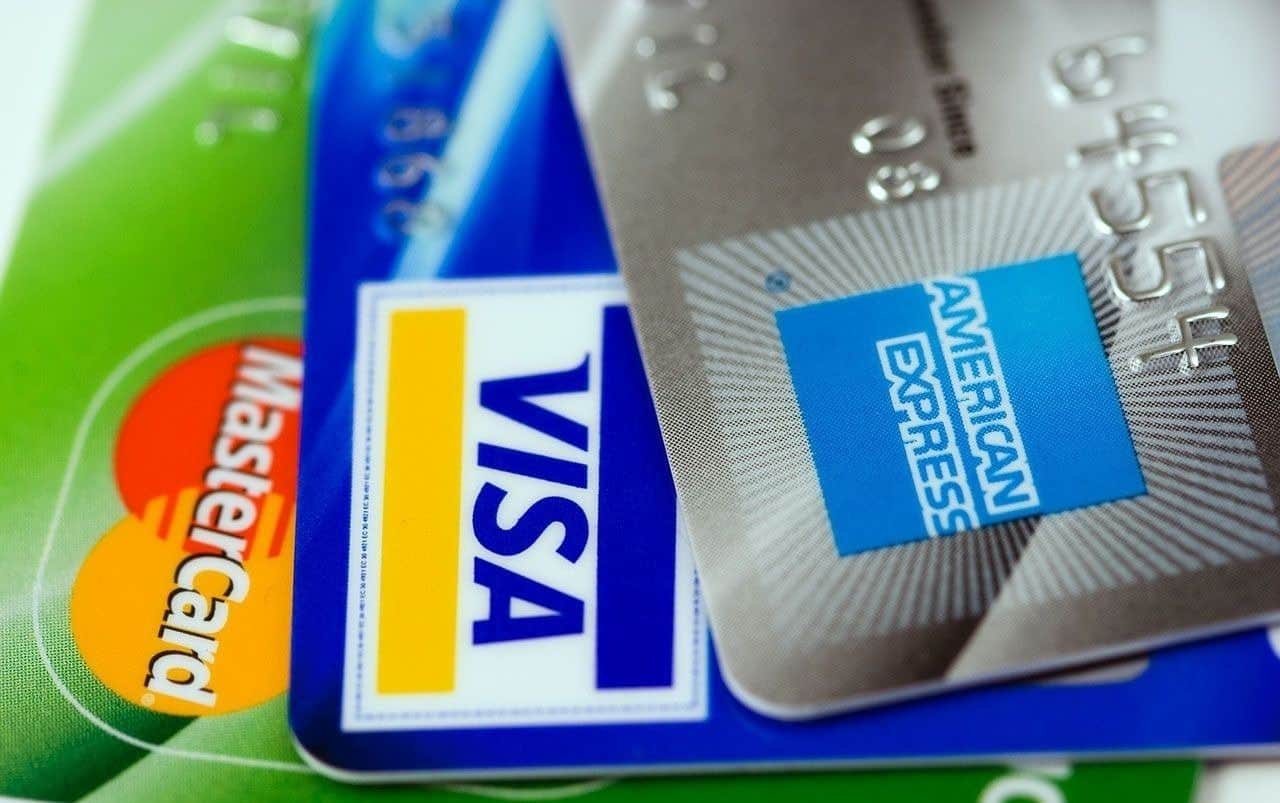
The recent settlement concerning the interchange fees for payment cards in the United States reveals the prominence with which two large credit card companies, Visa and MasterCard, serve as facilitators for payment processing. This settlement, which is a landmark one, embarks on the controversial issue of interchange fees in showing the power and responsibility of credit card companies to have better financial policies for merchants and customers alike.
Thirteen banks along with Visa, and MasterCard, are on a settlement plan in an antitrust class action lawsuit over conspiracy to fix the prices charged to merchants for processing Visa and MasterCard payments. The settlement, at more than $5.54 billion, nearly ends two decades of litigation. However, the role that credit card companies play in the Interchange Fee Settlement is still quite dubious. The lawyers for the plaintiffs hail this as an extremely major triumph for the American consumer. That lays claim to all merchants who have ever processed Visa and MasterCard credit cards between January 2004 and January 2019 by the time of the deadline.
Understanding Interchange Fee

Credit card interchange fees are the fees that merchants pay banks for transferring money from customers’ accounts for credit and debit card transactions, as set out by the card networks, such as Visa and MasterCard. Interchange fees are intended to embed the costs of fraud prevention, network maintenance, and transaction processing. The interchange fees can vary depending on the various parameters, including the type of card used and the particulars of the transaction.
This issue concerning interchange fees had been shaped by an important antitrust suit in which merchants sued Visa and MasterCard. According to the merchants, these companies were implementing anti-competitive measures that led to high interchange fees, thus increasing costs for both businesses and consumers. After years of litigation, a settlement was reached where Visa and MasterCard would pay billions to the merchants and modify their fee systems.
Understanding The Role
Interchange fees are the amounts imposed on merchants whose credit card payments are accepted by them, and Visa and Mastercard have a great hand in determining the interchange fees. Typically referred to as the swipe fees, these fees have come under scrutiny in the courts, with allegations that these companies colluded to set and inflate them. When a consumer swipes a credit card for payment, a series of steps follow in the exchange and collection of the payment. In the initial stage, the merchant collects the payment; however, this right is usually sold to an acquiring bank at a discount on the total sale. Swipe fees are a major burden for small businesses, only behind chargeable rent and payroll.
The acquiring bank sells this collection right to Visa or Mastercard at a discount, at which point the amount is passed on to the card-issuing bank, who possibly charges again, but slightly higher. So, while the account is debited for the whole amount, each intermediate party takes its own cut. The economic analysis supports how exorbitant these swipe fees are, which prompted banks to incentivize customers to primarily be in partnership with Visa and Mastercard through wonderful rewards programs.
The Economy of Interchange Charges and Their Effects on Businesses
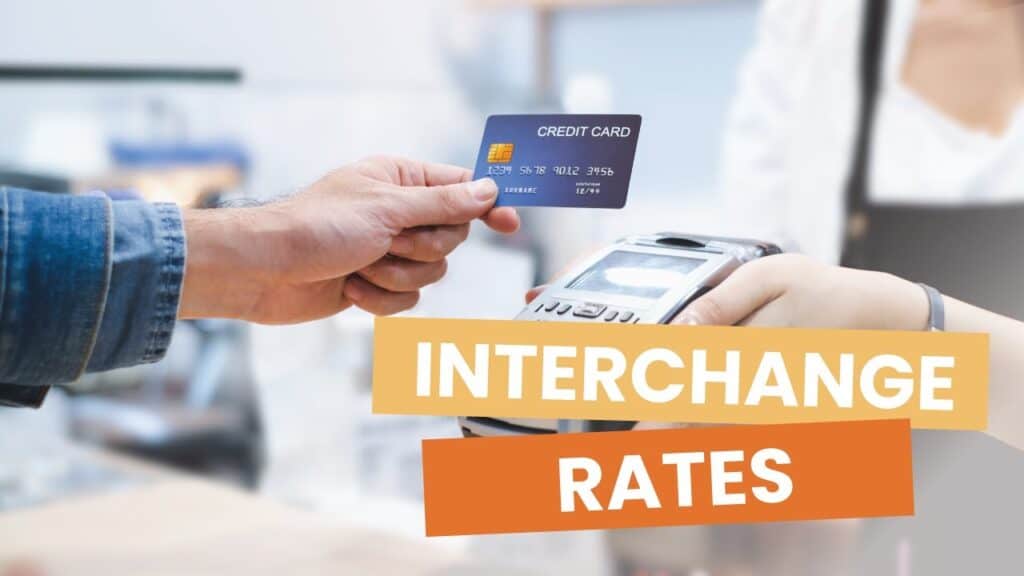
The settlement is over actions by the defendants to conspire to keep interchange fees elevated for merchants. Merchants accepting credit cards from January 2004 through January 2019 can submit claims for payment. Legal charges have been levied against these companies for allegedly conspiring to set and raise these fees. The credit card transaction processes entail various steps in the life of a consumer. Merchants are first concerned with collecting payment but invariably sell this right to an acquiring bank, for a part of the sale. Swipe fees are a major issue for small retailers, only behind rent and payroll.
Subsequently, the acquiring bank then sells the collection rights to Visa or Mastercard for a bit more, which then sells it to the card-issuing bank for a higher price. Then the consumer is billed for the full amount, with each intermediary standing to benefit somewhere along the way. Economic analysis suggests that these swipe fees have become a bloated affair, with competing financial institutions offering great rewards in an attempt to partner up with Visa and Mastercard.
The Latest Development Of Payment Card Interchange Fee Settlement
Along with several banks, Visa and MasterCard officially settled with merchants in the United States, which will significantly impact credit interchange rates. The agreement provides for a decrease and capping of these rates until 2030, thus giving merchants more options in managing their payments and applying surcharges. From April 2025, Visa and MasterCard domestic credit program interchange rates will be lowered by 4 basis points for three years, with a wider reduction of 7 basis points in system credit interchange fees for five years.
In addition to this, both companies will decrease the announced swipe fees for all merchants involved by at least 4 basis points for an initial three years. Further, they agreed not to increase swipe fees above the specified rates at the end of the year 2023 for any period of five years. Another component of the agreement amends various network rules, thereby improving merchants’ ability to accept digital payments.
Visa and Mastercard have proposed an antitrust settlement with merchants in the United States, aimed at curtailing credit card interchange fees and amending some rules after close to two decades of litigation. This settlement could stand to change the landscape of card acceptance fees that have been increased for merchants across the U.S. for the last many years, mainly owing to competition among networks and issuers themselves.
Visa And Mastercard’s Credit Card Reactions Fee Settlement With U.S. Merchants

The settlement proposes that Visa and Mastercard shall decrease their Credit Card Interchange Fees by 0.04 percent under a formula for at least three years. The two companies would also guarantee that for the next five years, the average effective interchange would not fall below an average of 0.07 percent below the previous year’s average. There are substantial financial consequences attached to the rule change in estimates of fee rollbacks and caps valued at around $29.8 billion versus those who believe rather lower impacts.
Due to Visa, being an SMB therefore representing over 90 percent of U.S. merchants, larger merchants will gain the most from these adjustments due to the volume of card transaction processing and favourability in pricing. In addition, surcharging restrictions will be relaxed, although some states may need to erase laws restricting merchants from fully benefiting from this new situation. In addition, there will be rule amendments allowing merchants to give discounts to their customers according to the card issuer or product type, select acceptance of digital wallets, and set up “buying groups” to collectively negotiate fees against Visa and Mastercard. Price settlements per se will not greatly reduce the overall cost of credit card acceptance, but to the extent that they stimulate the emergence of more surcharging, they will greatly improve the usability of payment options. Charging interchange fees by just slightly lower rates would not significantly dent the institutions involved in collecting vast amounts of these very fees.
Outcome And Future Implications
Settling the Payment Card Interchange Fee is an important element in marking an important step in promoting fair financial practices among the big credit card companies. Merchants will see some immediate benefits, but the question remains how Visa and MasterCard will respond to changing regulations and stakeholder expectations with time. The settlement emphasized the urgent need for accountability, transparency, and fairness within the industry; hence, this may trigger additional legislative and regulatory oversight attempting to protect merchants and consumers’ interests alike moving forward.
In the end, credit card companies are expected to operate in accordance with the applicable laws, maintain clear fee structures, and improve the entire transaction experience. By doing so, Visa and MasterCard could help create a more just and efficient financial system that benefits everyone involved.
Conclusion
Visa, MasterCard, and big banks have come to a $5.54 billion settlement over the dispute about interchange fees. The settlement pertains to accusations against the defendants of colluding to set high interchange fees for merchants. Merchants who accepted credit cards from January 2004 to January 2019 can make compensation claims.
Interchange fees are to be reduced, which gives merchants greater freedom regarding payment and surcharge options until 2030. While merchant-friendly, it may be detrimental to consumer incentives and profits of credit card firms. These changes should be understood to determine their effect on businesses and consumers.