
Payment management is one of the most essential features of any business and even personal finance. Scheduled payments ensure that you don’t have to bother with transaction processing because, through them, you can guarantee that all your bills, subscriptions, or invoices are going to be settled on time.
Whether you are a business owner trying to streamline payroll or an individual who wants to stay on top of your monthly expenses, learning how scheduled payments work will save you time, prevent late fees, and allow you to plan your finances much better. This guide will review the benefits, types, and best practices of setting up scheduled payments to keep your finances in check.
What is Scheduled Payment?

Scheduled payment refers to a preset automatic time-bound transaction. This is usually done at a date and time that the user has stipulated. The main tool of sending timely payments or bills, subscriptions, loans, or salaries is mainly done this way. It is one of the instruments used by firms and individuals for cash flow management, avoiding penalties, and showing financial discipline.
Payments can be done through banks, payment gateways, and other financial apps. The user has the option to choose between single and recurring payments. Automated payments save on the risk of missing deadlines, therefore making them efficient.
How Scheduled Payments Work
Scheduled payments work in accordance with a previously fixed date and the amount, on which the system automatically completes the transaction. Scheduling these payments happens with banks, apps, or websites by linking the bank account, credit card, or digital wallet.
The system automatically withdraws the payment at the time decided.When these are reoccurrence payments including subscriptions and instalments on loan, the system automatically process this transaction in advance, say per week or every month.
Even scheduled one-off payments, there is the benefit of users can plan their subsequent transactions and save them from delayed fees. Even, timely remittance would lead to improved fund management.
Scheduled Payments: Benefits For Business

Scheduled payments are structured transactions that provide a variety of benefits for business efficiency and stability in finance.
1. Controlled Cash Flow:
Scheduled payments ensure that businesses will know when their revenues will arrive and, as such, spend their money with the expectation that they will remain stable in the cash flow necessary to carry funds for payroll, rent, utilities, and the like.
2.Less Lateness and Late Payments:
Because of automatic generation of invoices and payments, there are fewer chances of clients forgetting or delaying the payments. Thereby, the health of the finances improves since less time is spent in chaser activities while collecting overdue invoices.
3.Time & Cost Save
Payment collections automated do not give scope to generate manual invoicing and significantly reduce the load of administration workload. The organizations valuable time and cost which would be consumed can easily be diverted to directions like growth and customer service.
4. High Customer Convenience and Experience
Customers enjoy the facilitation of their payments. Even for subscription-based services, with pre-schedule payments, all becomes hassle free and reflects with increased customer satisfactions and higher retention rates.
5. Efficient Financial Planning & Forecasting
The scheduled payment facility helps organizations in various ways that need a predictable revenue base. Such things can easily plan, estimate their future, and according budget it in order to make investment decisions or decide for further business expansions.
6. Improved Business Relationship:
When the payment of any kind goes automatic to suppliers, vendors, or service providers, trust and dependency grow between parties. It creates an excellent relationship for the business house which comes to even better terms or discounts, etc.
7. Security & Fraud Prevention
Automatic payments through secure websites reduce possibilities of human intervention error and unauthorized transactions leading toward fraudulent activities. Several scheduled automatic payments are connected with in-built encryption and security protocols which have a source of secure transactions.
8. Scalability & Growth
Business expansion becomes very cumbersome for a large volume of transactions handled manually. On the other hand, the same businesses can be scaled out very smoothly through automated scheduled payments without any delay or missed payments.Scheduled payment systems help integrate businesses to work more efficiently, reduce financial risks, and have a more predictable as well as secure form of revenue.
How to Create a Scheduled Payment
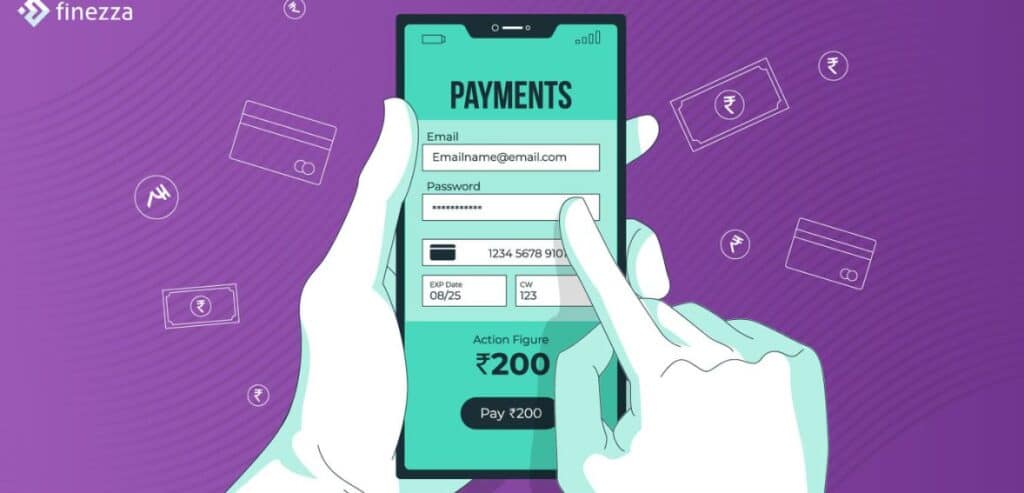
Setting up scheduled payments allows businesses to automate recurring transactions, thus ensuring timely payments and improved cash flow management. Here’s how to set them up:
1. Choose a Payment Processor:
Select a payment processor that supports scheduled or recurring payments. Any platforms, such as PayPal, Stripe, and Square, offer this feature.
2. Integration with Your System:
Link the chosen payment processor to your business’s invoicing or accounting system. such integration makes payments smooth and enables accurate records.
3. Recurring Billing:
Log in to your dashboard at the payment processor you’ve chosen and set up a recurring billing profile. You will input the amount of the payment, how often you’d like to pay (for example, weekly or monthly), and when you want it to start. Most of these sites will allow you to enter in an end date or even a maximum number of payments.
4. Customer Authorization:
You must be sure that you have the authorization of the customer to process recurring payments. This can be achieved through a signed agreement or through an online authorization form.
5. Payment Tracking and Management:
Paying scheduled payments in time. Most payment processors allow dashboards that track the status of payments and attend to issues whenever they arise. Automated scheduled payments help reduce the administrative burdens on businesses, prevent late fees, and ensure cash flows are constant.
Types Of Scheduled Payments

Scheduled payments are automatic transactions that take place at a fixed time. It is an extremely good method adopted by business firms to manage periodic expense and income liabilities. Essentially, there are two types of scheduled payments:
1. Fixed Recurring Payments:
Fixed amounts are being deducted periodically here, such as subscription fees of any monthly software service or memberships.
2. Variable Recurring Payments:
The payments that depend on usage or consumption, which may include utility bills or credit card payments in which the amount differs every period.
3. Scheduled One Time Payments:
This is a single payment to be made at some future date; it is perfect for planned purchase or one-off expense.
4. Planning Installation Payments
It allows one to split payments over time, usually applied to raise the funds for major purchases or loans and will be able to keep pace with cash flows within companies.
5. Parameterized Schedules
Variable payment plans whereby terms of amount to be paid or paid time need to be set against project-based measurable points or revenue records.This is by being aware and utilizing these two, so businesses can ensure they optimize their financial operations with minimal variances in the cash flow.
How Scheduled Payment Can Be Cancelled
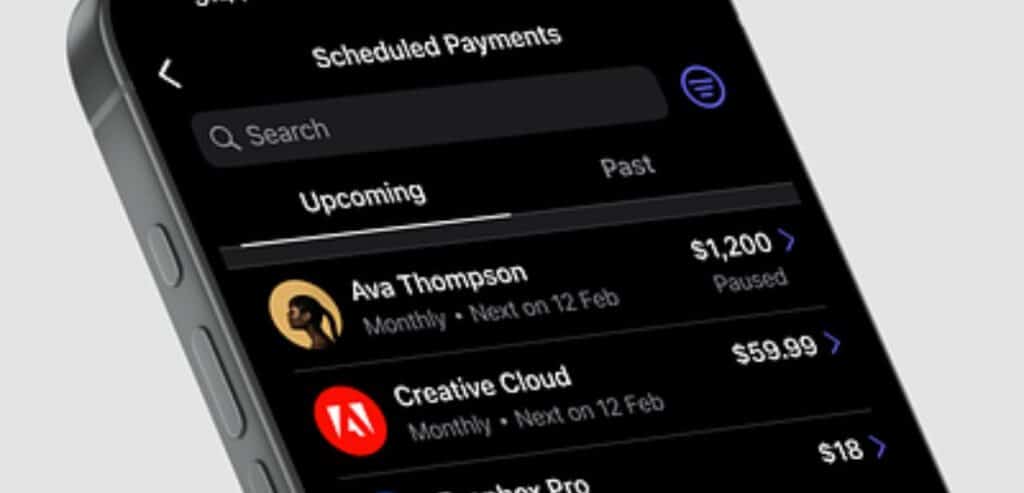
Scheduled payments as a payer entirely have control over scheduled payments that were made, and the right to cancel the scheduled payments anytime for whatever reasons; either prior agreement with the payee or lack of sufficient funds.
Scheduled payments cannot, therefore, be said to require permission from the payee. The raison for scheduled payments, on the contrary, is primarily an administrative convenience for the payee.
Scheduled payments automatize transactions at a time you intend, therefore avoiding missed payments in case one gets busy. However, canceling scheduled payments may be very different for diverse providers.
Conclusion
In essence, scheduled payments would therefore be quite beneficial for payers in controlling their funds; scheduled payments may ensure that such an account remains funded at every due date based on a certain time schedule and could be simply cancelled at any one time in case of non-funds available or due to the change in the agreement from the payee side.
Although setting up and cancelling scheduled payments may usually follow different procedures between service providers, knowing how to use this feature is helpful. These will ensure proper management of finances and timely payments.
FAQ
1. Can I cancel a scheduled payment at any time?
Yes, scheduled payments can be cancelled anytime but this has to be done prior to the payment processing. Every provider might process it differently so you have to refer to your service on what to do.
2. Do I need the payee’s approval before I initiate scheduled payments?
No, it is not necessary to get permission from the payee to set a payment up because the need is to make it possible for the payer to arrange repeated payments and make deadlines easy to follow and organize.
3. Is there a fee-free way to cancel a scheduled payment?
Ordinarily, a scheduled payment is free of charge to cancel. However, at times, banks or third-party platforms may have fees associated with stop payments on some kinds of transactions. Be sure to confirm what the terms are on their end.