
Insurance companies are prime to ensure the financial security and peace of mind of individuals as well as business entities.But payment management within the insurance industry is complex as it involves periodic billing, large-value transactions, and strict regulatory requirements.
More often than not, traditional payment processors classify an insurance company as a high-risk entity. Being classified as high-risk makes finding a reliable payment solution difficult. A dedicated insurance company merchant account provides various features, including secure payment processing, chargeback handling, and recurring transactions.
Insurance Company Merchant Account Features
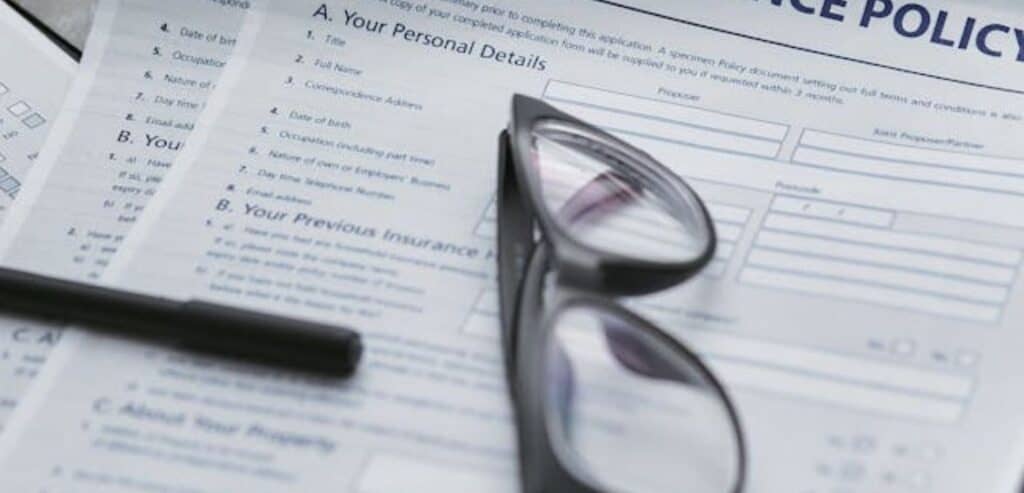
A specialized insurance company merchant account meets the unique requirements that go along with the payment processing of the insurance industry. Some of the features are listed below:
Recurring Billing Management
Usually, the system automatically debits premiums on a monthly, quarterly, or annual basis. Scheduled payments and reminders lower missed payments.
Options for Payment
sIt accepts credit/debit cards, ACH transfers, and digital wallets with Apple Pay and Google Pay. That gives customers convenience so they can have a choice on how to pay.
Chargeback Mitigation Tools
It warns of possible chargebacks and provides tools for dispute resolution.The company offers representment services; these are tools that will get to effectively fight chargebacks without cause.
PCI Compliance
All transactions will be sure to be compliant with the Payment Card Industry Data Security Standards (PCI DSS).Guards sensitive customer payment information with the aid of encryption and tokenization.
Fraud Prevention Tools
It is capable of real-time transaction monitoring to detect fraud activities.Employs AI and machine learning to detect fraud
Multi-Currency Support
Supports a different currency payment, hence the international transactions will be easy. Ideal for insurance companies who would have to deal with customers from abroad or expatriates.
Advanced Reporting and Analytics

Enables in-depth knowledge of payment trends, customer behavior, and revenue.It helps insurance companies analyze cash flow and operate at its operational best.
Seamless Integration
It enables the merging of CRM systems, accounting software, and premium management systems. The process ensures uninterrupted workflows and hassle-free payment tracking.
Merchant Account Challenges Faced by Insurance Companies

Merchant accounts are difficult to get and maintain for insurance companies, considering the nature of their business. The main issues are as follows:
High-Risk Business
Insurance companies are considered a high-risk client for payment processors, mainly due to high transaction amounts, frequent billing, and high chargeback rates.Due to this classification, underwriting requirements become tough, and the processing fees are stiffer.
Chargebacks
Chargebacks happen mainly because of misunderstanding words, failed payments, or availing cancellation of policies.Chargebacks by a higher rate will lead to fines and suspension of accounts.
Complex Recurring Billing
When charging occurs automatically, the main resource needed is tools that are reliable and flexible. Missed payments and failed transactions will be a pain in the cash flow thereby affecting customer relationships
Compliance to Rules
The companies have to abide by a lot of regulations and rules like AML and KYC.Non-compliance will attract huge fines or suspension of the account.
Risk Fraud

Fraudulent claims, stolen credit cards, and identity theft heighten the risks to payment processors. These are some of the reasons why it is difficult for insurance companies to get a merchant account.International TransactionsMulti-currency processing and cross-border payment regulations make things complicated for companies dealing with international clients. The currency conversion fees and delayed settlements make things more complicated.
International Transactions
Multi-currency processing and cross-border payment regulations make things complicated for companies dealing with international clients. The currency conversion fees and delayed settlements make things more complicated.
Increased Cost of Processing
High-risk classification increases the transaction costs, rolling reserves, and strict funding conditions that affect profitability.
Lack of a Proper Provider
The majority of the payment processors do not work with the insurance sector because of its high-risk classification.Very few options limit one to determining the best service providers with suitable solutions.
Customer Conflicts
Sophisticated policy terms lead to disputes and delayed settlement of payments. Delays can cause breaks in the customers’ confidence and satisfaction.
Benefits of Merchant Accounts for Insurance Companies

A merchant account as a distinct entity assists an insurance company in locating the right tools and features that provide smooth payments, the highest client satisfaction, and greater efficiencies in their operations. The primary advantages are as follows:
Safe Credit Card Processing
It makes the credit/debit card money transfers completely safe for the insurance company. Extremely easy for the consumer as no check or cash is needed.
Improved Anti-Fraud Protection
It restricts fraudulent transactions to a great extent as it highlights the real-time transaction process making use of high-end techniques in order to trace fraudulence. It ensures that it remains PCI DSS compliant in order to safeguard the details of the customer.
Chargeback Features
Resolve dispute easily to help chargebacks in minimal extent at account.Provide representation services in case of a chargeback related to unauthorized requests.
Multi-Commerce Gateway Solutions
It has various insurance company payment solutions such as Credit/debit card and ACH along with electronic Wallet type are allowed with the solution. Multi-gateway for greater ease on a customer end side and versatility at a point for more facilitations.Company’s global market and customer network expands.
Customer Experience Improvement
Saves customers a lot by being a valid and smooth flow payment system, which increases trust and confidence in a greater manner.Reminders automatically sent to prevent misses in payments to a great extent.
Quicker Settlements Payable
Smoothens quicker settlement by bringing deposits into the firm accounts faster.Cash flow improvement by effective financial planning for the corporation.
Types of Payment Processors Accepted by Merchant Accounts of an Insurance Company
The payment processing services for insurance companies have needs that differ due to the mixture of small and large transactions, including the need for the security of the payment processing services, such as payment or billing in intervals, high-value transactions, and complicated customer interactions. These include the following types of accepted payment processors by merchant accounts of insurance companies;
Credit and Debit Card Processors
They accept major credit card payments include Visa, MasterCard, and AmEx besides accepting debit card payments.Reoccurring Bill Processing pays at a pre-set or periodical interval to collect premiums in time.
ACH Processors
ACH provides the direct credit facility of the paid premium directly from customers’ accounts. In many cases, transactions through ACH-based are more affordable than the ones through card-based; thus, it makes the premium payments cheaper when large in value.
Digital Wallet Processors
It accepts the payment through mobile wallets such as Apple Pay, Google Pay, and PayPal. It offers a secure and hassle-free payment method to the customers by enabling them to pay premiums using their mobile phones.
They are subscription-based processors like insurance. They make recurring payments automated. The processor can adjust billing periods; for example, monthly, quarterly, and yearly. Payment modes are flexible too.
Multi-Currency Processors
They can accept different currencies for carrying out cross border transactions with other businesses through the insurance organization. The customer base increases with cross border transactions as well as through competitive exchange rates.
Payment Gateway Service Providers
It protects the online transactions conducted by the payment gateways. This allows a customer to pay his or her premiums through the company’s website.This is through advanced fraud detection of transactions coupled with encryption of customer information protection.
Mobile Payment Processors
This allows a collection of payment from customers instantaneously during the face-to-face meeting, event, or consultations through mobile processors.It is cheaper and flexible compared to the traditional version of POS.
Advanced Tips
Payment processing is done so smoothly while preventing fraud. Plus, as part of their mandate, every insurance company complies with this regulation. This post is therefore, advanced tips to mitigate the risk in a merchant account on which an insurance company relies:
Multilayered Fraud Detection Systems
AI and ML-powered scanning that tracks real-time transactions for unusual patterns. Examples of such a pattern include transactions in which, over a given time frame, several high value transactions are spotted originating from one customer.
It has Geolocation and Device Fingerprinting, It also flags suspicious transactions emanating from a high-risk location or device by using its ability to do geolocation monitoring and device fingerprinting.
Apply Tokenisation and Encryption
- Tokenization: Replace a credit card number with something which cannot be used outside the system, thereby lessening the opportunities for data breaches but still facilitating secure processing of transactions.
- Encryption: All payments transactions should be encrypted both while transmitting and during storage so no unauthorized access of customer information will occur.
Improvement in Customer Identity Verification
Verify a customer by requiring more than one factor for access before approving the payment. It could be password and SMS.Biometric authentication. This includes fingerprint and facial recognition. The latter is common in mobile payment, added to authenticate the buyer
Review the Charge Back Management Procedures at Appropriate Intervals
Activate the chargeback alerts and prevention, in coordination with your payment processor, so that you can track all such transactions happening in real time and will have a chance to take necessary action regarding the problems beforehand.
The preventive approach can reduce the chargebacks due to clear payment terms, excellent services to customers, and the usage of fraud prevention tools, which may reduce the charges.
This helps to streamline disputes through automated systems that organize evidence, track the disputed transactions, and improve response time to chargebacks.
Secure Recurring Billing Systems
All the payment details must be verified, credit card dates, and address updates so one can have uninterrupted or smooth recurring bills. The billing cycle and terms and conditions should be communicated to the customers; therefore, fewer cases of misunderstanding and disputes over bills will happen. Proper notice-giving on adjustments of pricing terms or changes should also be made.
Regulatory Compliance Strengthening
Continuously audit the payment processing system to ensure that all applicable regulations, be it PCI DSS, AML, or KYC are being followed, and fill up the compliance gap as soon as possible to avoid the potential amount of fines or penalty.
Employees must be trained periodically on what all the compliance requirements are needed, where fraud smells are expected to be encountered, and how to handle sensitive information about the customers safely. Properly informed and alert employees shall reduce operational risks.
Offer Multiple Modes of Payment as Well as Options for Platform
Many payment methods should be allowed and one kind of payment type should not be used by the entity at various phases such that there will be no risk dependency, and customers have to pay through most available means every time, which includes credit/debit cards, ACH, mobile wallets, e-checks.
This pays through online, mobile, and even face-to-face payments. That way, it increases flexibility in the mode of payment but somehow reduces bottlenecks associated with the process of transactions.
Monitoring Customer Behavior and Transaction Pattern
Analytical tools will be used to understand the behavior pattern of customers and their transaction history and mode of payment in order to detect abnormal trends or possible fraudulent risks of transactions from some types of customers.
There are limits in high-risk customers or certain kinds of insurance policies. More authentication is required within the process when higher-value transactions are involved.
Incident Response Plan Developing Procedure
Make an incident response plan on how to treat fraud cases in payments or data breaches. It should give clear protocols on how to report and investigate with minimal impacts. Conduct regular drills on mock scenarios to test how your response plan will work and ensure your team can act right away when it comes to real-time incidents.
Use Blockchain Technology
Payment systems on blockchain that introduce transparency and safety. A blockchain can provide the means of an authentic record of the transactions, therefore minimizing the prospects of fraud possibilities and becomes easier for verification of the payment.
Smart contracts are payments executed automatically based on specified conditions to ensure light administrative overheads. In this case, there are no delays even in the case of contractual obligations.
FAQs
Why is insurance a high-risk industry for payment processing?
Insurance companies are among the industries classified as high risk, that is, most of the transaction done is usually of high value, subscription services, chargeback due to risk, and issues to do with regulation and the law.
How can the chargeback risk of an insurance company be reduced?
The chargeback risk of an insurance company can be minimized if proper billing terms, verification of customers, and preventive customer services are implemented.
Which Payment will be accepted by an insurance company by having a merchant account?
All of the payment methods, such as credit/debit cards, ACH transfers, digital wallets, and e-checks, shall be accepted.