
Because the rules have gotten tighter and diesel fuel vehicles have been on the increase, the retail convenience store has already begun to realize more opportunities from the increased demand for Diesel Exhaust Fluid (DEF).
It is now known that SCR has been adopted as the standard process for all automobile manufacturers. Their emission-exhaust reduction devices are based only on the volume intake of Diesel Exhaust Fluid.
Increasing truckers, commercial fleets, and vehicles running by diesel means the access to available supplies can improve income generated at convenience stores by adding DEF, strengthening the relationship of its customers and projecting a store as a one-stop for drivers.
Definition of Diesel Exhaust Fluid (DEF)
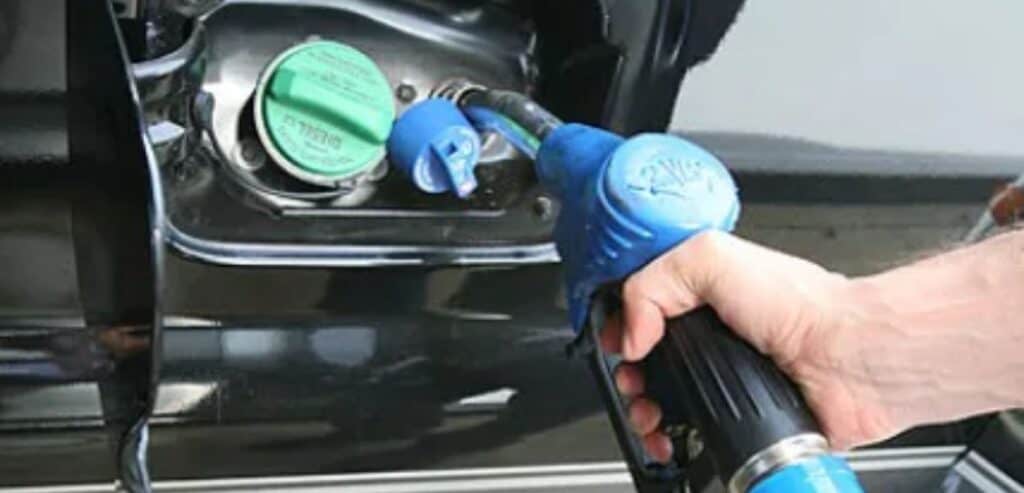
DEF (Diesel Exhaust Fluid) is a non-toxic liquid solution containing 32.5% of urea, and 67.5% deionized water.It was one of the key measures for NOx emissions reduction through measures, primarily against diesel engines, due to health impacts and environmental hazards. DEF is injected into the exhaust stream of cars with SCRs. Urea in DEF decomposes into ammonia when heated up. This ammonia reacts with NOx over a catalyst, turning it into harmless nitrogen and water vapor.
This process significantly reduces the emission of pollutants, thus helping vehicles to meet stringent environmental regulations. A reserve amount of DEF needs to be stored in the reservoir of a diesel vehicle. Since running out might cause a dysfunction in operating it.
Most of the diesel car manufacturing companies of this era ensure that a low stock of DEF forces the system not to increase the horsepower or decrease the crank over till recharged with an adequate amount.
A sufficient amount of DEF provides the facility for running and keeping a vehicle’s engine in perfect condition.
Demand for DEF Increases
No less than that, the market of Diesel Exhaust Fluids (DEF) was opened in the SCR for strict regulatory emission and soaring possession of diesel engines.
The research by Grand View has estimated a global market size of USD 36.66 billion in the year 2023, expanding at 7.9% for the next year starting with 2024 and running over 2030.
This new data will be generated, following projections further into those predictions. These projections have been inspired by SNS Insider.
This market will reach an estimation of about USD 74 billion by the end of 2032. An 8% compound annual growth rate was an announcement given throughout a five-year forecast period 2024-2032. Consumption in the DEF aftermarket will be further triggered due to an average age of vehicles, infrastructure improvement, and an increase in Vehicle-in-Operation.
Geographically, North America would command a healthy volume share of the DEF market due to an enormous vehicle population and stringent emissions legislations, for example, the US Clean Air Act (CAA).
The DEMAND for diesel exhaust fluid has been driven through heavy-vehicle-oriented automobile as well as machine fleets and their adherent emission standards of the region.The convenience stores retailers shall find the following merits in their decision to carry Diesel Exhaust Fluids on their shelves:
Growing Demand
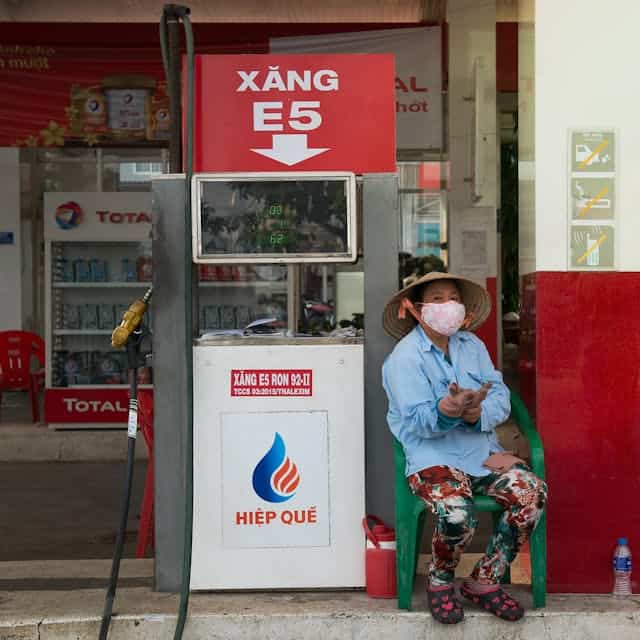
The growing number of diesel-powered vehicles is demanding a greater amount of diesel exhaust fluid, thus raising its demand.Retailers can exploit this expanding market by selling DEF in forecourt dispensers and attracting customers seeking a reliable source of DEF.
Competitive Advantage
Most convenience stores don’t sell DEF; hence the existence of such stores brings out a good differentiation from other competitors in offering DEF, marking the stores as a retailer and having their key advantage as an easy and readily available supply for diesel-vehicle owners.
Excellent Customer Service
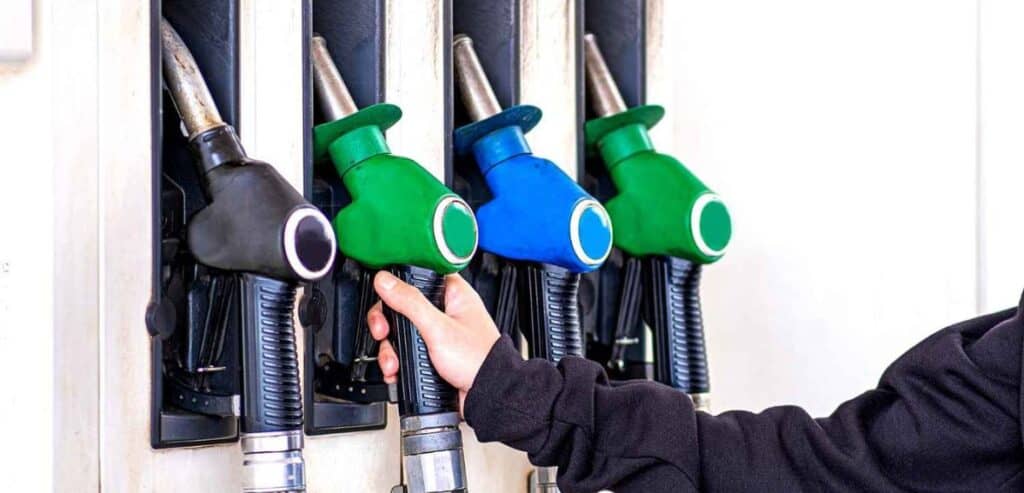
The convenience stores selling DEF ensure better customer experience by effectively satisfying the needs.Automakers are standardizing DEF fuel necks closer to diesel fuel necks, so drivers can refuel both without having to move their vehicles.In addition, filling DEF directly from dispensers eliminates the hassle of finding jugs in the store and waiting in line to buy them.
Increased Profits
Adding DEF dispensers can help retailers increase profits. Buying DEF in bulk is cheaper than buying pallets of jugs, thereby increasing profit margins.
DEF-Compatible Equipment
It has an industry-leading Encore 700 S DEF capable fuel dispenser with retrofit kits available for simple, efficient upgradation at no cost by adding DEF capacity without disrupting its sale.These provide customers, with evolving demand needs in operations through diesel driving of vehicles. Its business then grows based on increasing its sales and loyal customer base from customers
Considerations for Implementations
Proper planning must be made when installing DEF dispensers at a convenience store, so it should operate efficiently while satisfying customers. Key considerations are as follows:
Storage and Dispensing Solutions
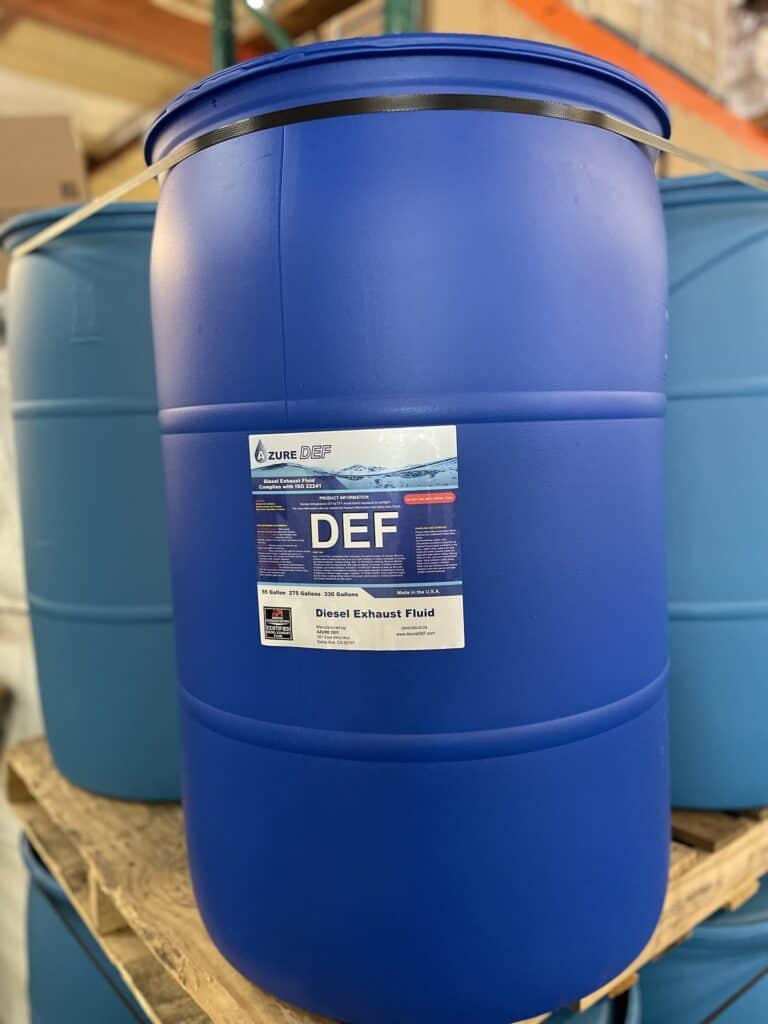
Evaluate options for integrating DEF storage and dispensing systems that are compatible with the layout of your store and your customers’ needs. This might include above-ground or below-ground storage tanks as well as appropriate dispensers to fit in existing fueling infrastructure.
Climate Factors
DEF is sensitive to temperature changes, especially freezing temperatures. Thermal protection in the form of insulated piping and heated dispensers must be used to ensure quality DEF and efficient dispensing in colder climates.
Compatibility with Equipment
Ensure that DEF dispensers are compatible with your existing fuel dispensing systems. For instance, the Encore 700 S fuel dispenser supports DEF, so integration with existing setups can be achieved through retrofit kits.
Regulatory Compliance
Storage and dispensing must be based on local and national regulations. It includes environmental requirements and safety provisions to avoid contamination, DEF safe handling, and other essentials related to the product and its applications.
Staff Training
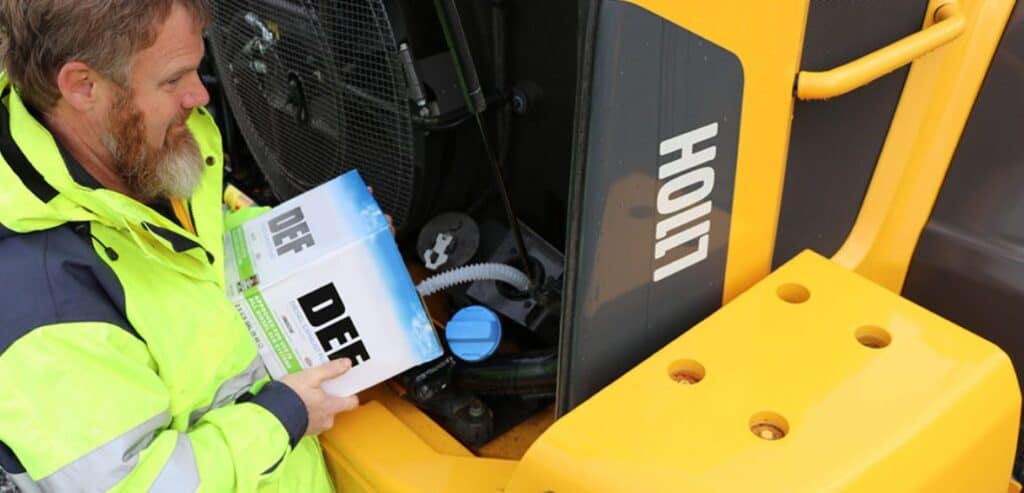
The staff should be given extensive training regarding DEF handling procedures, equipment operation, customer care, etc., to ensure smooth operations and enhance customer satisfaction.By addressing these considerations, convenience store retailers can effectively implement DEF dispensing services, meeting the growing demand and enhancing their service offerings.
Challenges of Diesel Exhaust Fluid (DEF)
Diesel Exhaust Fluid (DEF) is essential for reducing nitrogen oxide emissions in diesel engines, but its use presents several challenges:
Contamination Risks
DEF is vulnerable to contamination from other substances even in small quantities, which can lead to dosing that causes shutdowns in the system or the engine. It has to be kept clean around the fill cap and storage area.
Pumping Injectors
With time, the DEF pumps and injectors will crystallize or become contaminated. Consequently, the fluid will have reduced flow, and there will be an unevenly distributed supply. These are parts that should always be checked for correct usage by providing routine maintenance.
Lower-quality DEFs could cause blockage of filters or even damage some of the critical parts of the engine. Poor-quality DEF might harbor impurities, including rusting or further decay of the engines. Quality DEFs would ensure maximum output from the machinery.
Temperature Sensitivity
It will become immobile at freezing temperatures and could affect the access and quality of its supply. Applications in colder climates thus require thermal protection, including insulated storage and heated dispensers, to preserve the quality of DEF and ensure the reliable dispensing of its concentrates.
Good handling, storage, and maintenance practices mitigate these difficulties to ensure the efficient and effective use of DEF in diesel engines.
Conclusion
The benefits are better customer services, additional revenue inflows, and competitiveness over other companies as a result of the integration of DEF dispensing into convenience stores.However, several risks need to be ignored in association with contamination, equipment maintenance, and temperature sensitivity for the proper implementation of the services.
Proper deliberation over suitable storage options, climate effects, compatibility of equipment, regulatory compliance, and staff training would avert all those risks associated with these disadvantages of convenience store businesses.
FAQs
What is Diesel Exhaust Fluid (DEF)?
DEF is a non-toxic, water-based solution that is used in diesel engines that utilize the Selective Catalytic Reduction (SCR) technology with the effect of reducing harmful emissions. It’s necessary to answer the environmental standards.
Why should convenience stores provide DEF?
It attracts diesel vehicle customers, generates more revenue, and gives a competitive advantage since more vehicles need to be filled up with DEF. In addition, it improves customer convenience and loyalty.
What are some of the issues of supplying DEF?
Some of the challenges encountered when supplying DEF include the quality preservation of DEF to prevent contamination, managing temperature sensitivity, and compatibility of equipment. Proper storage and handling may mitigate the risks.