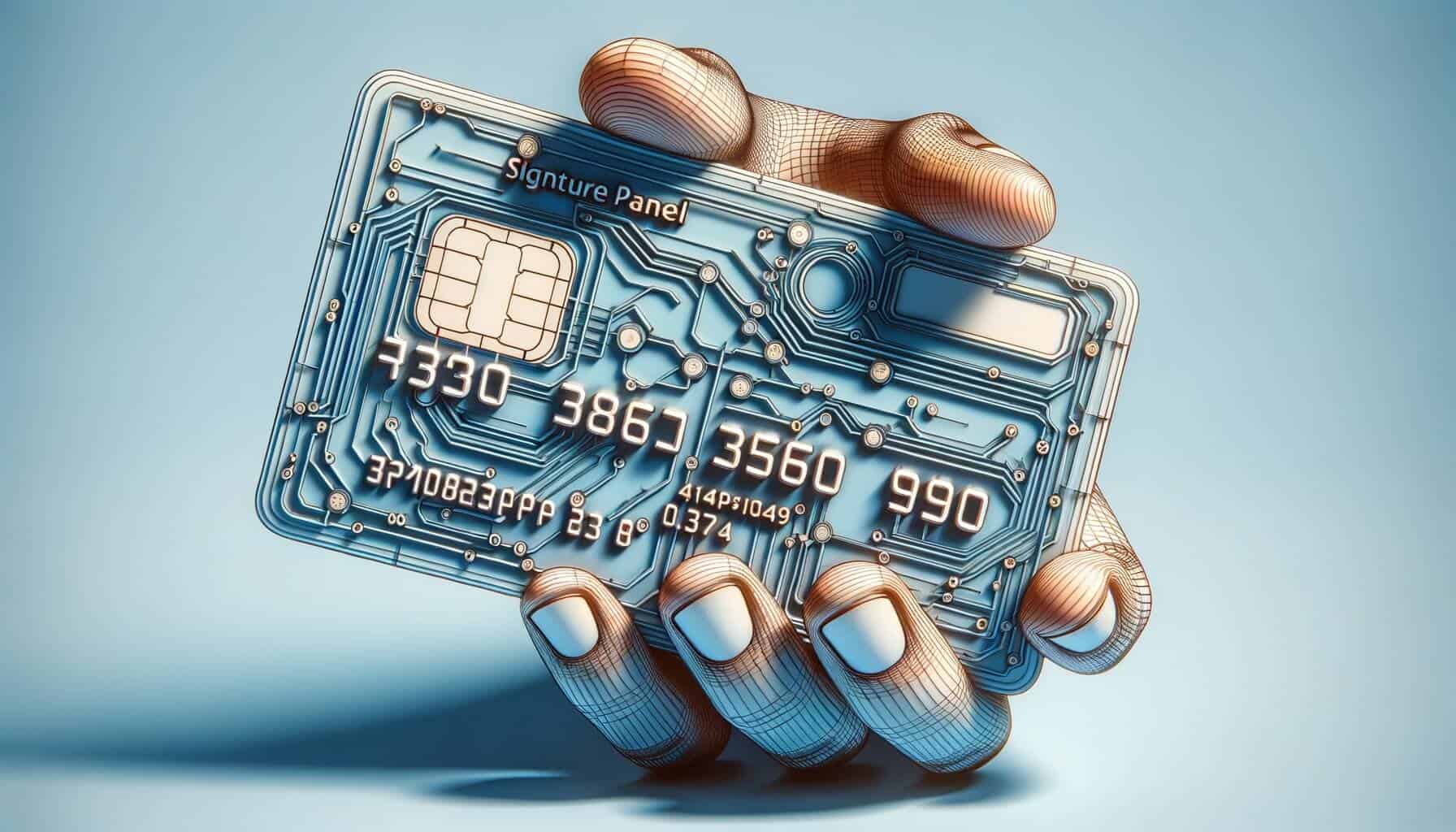
In today’s digital age, the need for secure and reliable methods of authentication has become paramount. One such method is the use of signature panel codes. Signature panel codes are unique identifiers that are used to verify the authenticity of a signature on a document or card.
In this article, we will explore the purpose and function of signature panel codes, the different types available, how to generate them, their implementation in various industries, the benefits and advantages they offer, common challenges and limitations, best practices for securing them, and address frequently asked questions about signature panel codes.
Understanding the Purpose and Function of Signature Panel Code
The primary purpose of a signature panel code is to ensure the integrity and authenticity of a document. It acts as a digital fingerprint, uniquely identifying the document and verifying that it has not been tampered with. The signature panel code is typically added to the document during the creation or printing process and can be in the form of a barcode, QR code, or alphanumeric code.
The function of a signature panel code is to provide a means of verification for the document. When the code is scanned or entered into a system, it can be compared against a database or algorithm to confirm its validity. This verification process helps to prevent fraud, forgery, and unauthorized access to sensitive information.
Different Types of Signature Panel Codes

There are several different types of signature panel codes that can be used depending on the specific requirements of an organization. Some of the most common types include:
1. Magnetic Stripe: Magnetic stripe signature panel codes are commonly used on credit and debit cards. They consist of a magnetic strip that contains the signature information. When the card is swiped, the signature panel code is read and compared to the signature on file.
2. Barcode: Barcode signature panel codes are widely used in various industries. They consist of a series of vertical lines that represent the signature information. These codes can be easily scanned and compared to the signature on a document or card.
3. QR Code: QR code signature panel codes are becoming increasingly popular due to their versatility and ease of use. They consist of a two-dimensional barcode that can store a large amount of information, including the signature data. QR codes can be scanned using a smartphone or other scanning device to verify the signature.
4. RFID: RFID (Radio Frequency Identification) signature panel codes use radio waves to transmit and receive data. They are commonly used in access control systems and can be embedded in cards or other devices. RFID signature panel codes can be read by proximity readers to verify the signature.
How to Generate a Signature Panel Code

Generating a signature panel code involves several steps and considerations. Here is a detailed guide on how to generate a signature panel code:
Step 1: Determine the type of signature panel code required based on the specific needs of your organization.
Step 2: Choose a reliable and secure method for generating the code. This can be done using specialized software or online tools that are designed for this purpose.
Step 3: Input the necessary information, such as the signature data, into the code generation tool. This may include the name, date, and other relevant details.
Step 4: Customize the code by selecting the desired format, size, and style. This can help ensure that the code is easily readable and compatible with the intended application.
Step 5: Generate the code and save it securely. It is important to store the code in a safe and encrypted location to prevent unauthorized access or tampering.
Implementing Signature Panel Code in Various Industries

The use of signature panel codes is not limited to a specific industry or sector. It can be implemented in various fields to enhance security and streamline processes. Here are some examples of how signature panel codes are used in different industries:
1. Banking and Finance: Banks and financial institutions use signature panel codes on checks, loan documents, and financial statements to prevent fraud and ensure the authenticity of the documents.
2. Healthcare: In the healthcare industry, signature panel codes are used on medical records, prescriptions, and insurance claims to protect patient information and prevent unauthorized access.
3. Government: Government agencies use signature panel codes on passports, driver’s licenses, and other identification documents to verify their authenticity and prevent counterfeiting.
4. Retail: Retailers use signature panel codes on receipts, gift cards, and loyalty cards to track transactions and prevent fraud.
5. Education: Educational institutions use signature panel codes on diplomas, certificates, and transcripts to verify their authenticity and prevent forgery.
Benefits and Advantages of Using Signature Panel Code

Using signature panel codes offers several benefits and advantages for organizations. Here are some of the key advantages:
1. Enhanced Security: Signature panel codes provide an additional layer of security by verifying the authenticity of signatures. This helps prevent fraud, forgery, and unauthorized access to sensitive information.
2. Improved Efficiency: By using signature panel codes, organizations can streamline their authentication processes and reduce the need for manual verification. This saves time and resources, allowing employees to focus on more important tasks.
3. Cost Savings: Implementing signature panel codes can lead to cost savings by reducing the risk of fraud and the associated financial losses. It also eliminates the need for physical storage of paper documents, saving space and reducing administrative costs.
4. Convenience and Accessibility: Signature panel codes can be easily generated, stored, and accessed digitally. This makes it convenient for users to verify signatures anytime, anywhere, using compatible devices such as smartphones or computers.
Common Challenges and Limitations of Signature Panel Code
While signature panel codes offer numerous benefits in terms of security and document verification, there are also some common challenges that organizations may face when implementing them. Here are a few challenges and their corresponding solutions:
1. Compatibility Issues: Different systems and devices may have varying levels of compatibility with signature panel codes. To overcome this challenge, organizations should ensure that the codes they generate can be easily scanned or entered into the systems used by their intended recipients.
2. Counterfeiting: Despite the security measures in place, there is always a risk of counterfeit signature panel codes. To mitigate this risk, organizations should regularly update their code generation methods and use advanced encryption techniques to make it difficult for counterfeiters to replicate the codes.
3. User Education: Users may not be familiar with the concept of signature panel codes or how to verify them. Organizations should provide comprehensive training and educational materials to ensure that users understand the importance of the codes and how to use them correctly.
Best Practices for Securing Signature Panel Code
To ensure the security and integrity of signature panel codes, organizations should follow best practices. Here are some recommendations:
1. Encryption: Encrypting signature panel codes can help protect them from unauthorized access or tampering. Organizations should use strong encryption algorithms and ensure that encryption keys are securely stored.
2. Access Control: Implementing access control measures, such as user authentication and authorization, can help prevent unauthorized access to signature panel codes. This includes using strong passwords, multi-factor authentication, and role-based access control.
3. Regular Auditing and Monitoring: Organizations should regularly audit and monitor the usage of signature panel codes to detect any suspicious activities or anomalies. This can help identify potential security breaches and take appropriate actions.
4. Employee Training and Awareness: Providing comprehensive training and awareness programs to employees can help them understand the importance of signature panel codes and how to use them securely. This includes educating them about potential risks and best practices for protecting the codes.
Frequently Asked Questions about Signature Panel Code
Q1: What is the purpose of a signature panel code?
The purpose of a signature panel code is to provide an additional layer of security and verification for signatures on documents or cards.
Q2: How are signature panel codes generated?
Signature panel codes can be generated using specialized software or online tools. The necessary information, such as the signature data, is inputted into the code generation tool, and the code is generated based on the desired format and style.
Q3: What industries use signature panel codes?
Signature panel codes are used in various industries, including banking and finance, healthcare, government and legal, and retail and e-commerce.
Q4: Are signature panel codes secure?
Signature panel codes can be secure if proper security measures, such as encryption and access control, are implemented. However, they are not immune to security risks and require ongoing monitoring and auditing.
Q5: Can signature panel codes be tampered with?
Signature panel codes can be tampered with if proper security measures are not in place. Organizations should implement encryption, access control, and monitoring to prevent unauthorized access or tampering.
Conclusion
In conclusion, signature panel codes play a crucial role in verifying the authenticity of signatures in various industries. They provide an additional layer of security, improve efficiency, and offer cost savings for organizations.
However, it is important to address the challenges and limitations associated with signature panel codes and implement best practices for securing them. By following these guidelines, organizations can ensure the integrity and reliability of signature panel codes, enhancing their overall security posture.